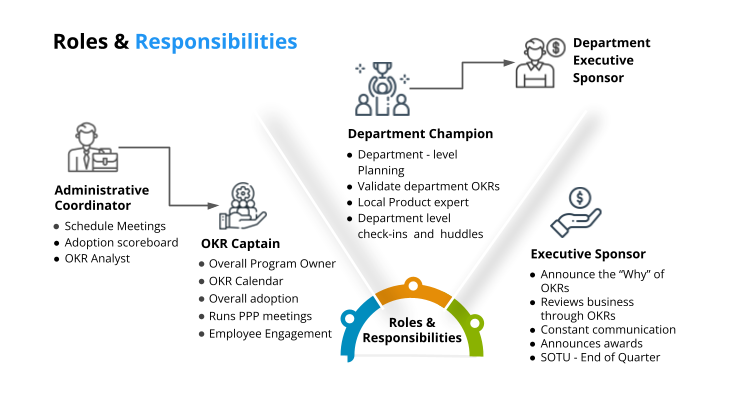
At Profit.co, we understand that successful OKR (Objectives and Key Results) implementation requires a collaborative effort. To help your organization achieve its goals, we’ve identified three crucial roles: The OKR Captain, the Executive Sponsor, and Departmental Champions. Let’s delve into each role and explore the time commitment associated with them.
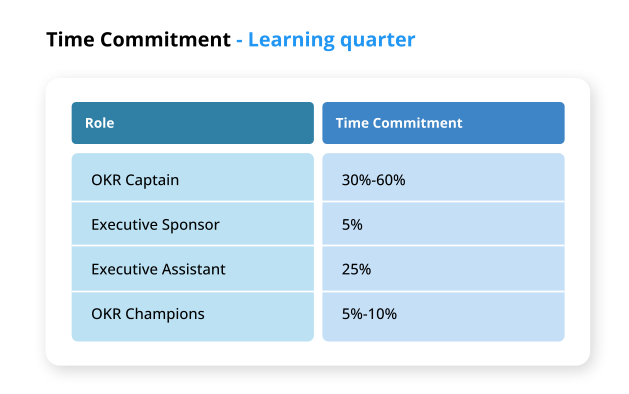
1. The OKR Captain: Architect of Alignment (30-60% Time Commitment in Q1)
The OKR Captain serves as the program owner, guiding the entire OKR implementation journey. This individual acts as the central point of contact, responsible for establishing and driving a culture of OKRs within the organization. Their key responsibilities include:- Invest in Quality Control: Implementing robust quality control measures throughout the manufacturing process helps identify and eliminate defects early on, minimizing warranty claims.
- Utilize High-Quality Materials: Selecting durable and reliable materials during product development contributes to longer product life and reduced warranty issues.
- Program Design & Launch: The Captain spearheads the planning and rollout strategy, tailoring the OKR program to the organization’s size and culture.
- Enablement & Education: Building a strong foundation is key. The Captain develops training materials, facilitates workshops, and ensures everyone understands the “why” and “how” of OKRs.
- Communication & Support: Clear communication is paramount. The Captain fosters open dialogue, addresses questions, and provides ongoing guidance throughout the implementation process.
- Tracking & Measurement: Setting clear expectations and tracking progress are crucial. The Captain establishes reporting structures and monitors overall program health.
- Change Management: Implementing OKRs may involve cultural shifts. The Captain acts as a change champion, addressing resistance and ensuring a smooth transition.
Rationale for Time Commitment
The initial quarter is critical for establishing a solid foundation. The Captain’s dedicated focus ensures a well-designed program launch, clear communication, and adequate support for teams as they begin using OKRs. As the program matures, the Captain’s time commitment can gradually decrease.2. The Executive Sponsor: Championing Success (5% Time Commitment)
The Executive Sponsor plays a vital role in demonstrating leadership buy-in and commitment to OKRs. This high-level individual acts as the program’s champion, influencing and motivating others throughout the organization. Their key responsibilities include:- Public Endorsement:The Executive Sponsor publicly advocates for OKRs, reinforcing their importance through communication and actions.
- Resource Allocation: Ensuring adequate resources are available for program success is vital. The Sponsor helps secure necessary budget and personnel support.
- Removal of Roadblocks: The Sponsor acts as a problem solver, addressing any roadblocks or challenges that may hinder implementation.
- Celebration & Recognition: Highlighting achievements and celebrating wins motivates teams and reinforces the value of OKRs. The Sponsor actively participates in these efforts.
Rationale for Time Commitment:
While a significant time commitment isn’t required, the Executive Sponsor’s active participation is crucial. Their visible support sends a powerful message and helps drive employee engagement with OKRs.3. Departmental Champions: Leading the Local Charge (5-10% Time Commitment)
Departmental Champions are the boots on the ground, leading OKR adoption within their specific areas. Ideally, these are team leaders or influential figures who understand the value of OKRs and can inspire others. Their key responsibilities include:- Cascading OKRs: Departmental Champions translate company-wide objectives into actionable departmental OKRs, ensuring alignment and focus.
- Coaching & Support: They provide guidance and support to their teams as they set and manage OKRs.
- Communication & Feedback: Clear communication is key. Champions keep their teams informed and facilitate feedback loops throughout the OKR cycle.
- Championing Accountability: They foster a culture of ownership and accountability within their departments, ensuring regular progress updates and discussions.