

Published Date: Dec 05, 2025
Walk into any construction site and try to run an Agile sprint. Watch regulatory compliance teams at a banking institution attempt to iterate on legal requirements that must be met before launch. The uncomfortable truth is that not every project fits the Agile mold, and forcing it creates more problems than it solves.
Between 2020 and 2023, hybrid project management adoption surged by 55%, climbing from 20% to 31% of all projects . This is organizations acknowledging what project managers have known all along, that different work requires different approaches
Key Takeaways
- Not all projects fit Agile; regulatory, compliance, and dependency-heavy work often needs Waterfall or hybrid approaches.
- Methodology conflicts scale into portfolio blind spots when Agile, Waterfall, and governance data live in separate tools
- Unified PPM doesn’t replace methods; it creates a single governance and visibility layer across all of them
- The core shift is from output tracking (“on time/on budget”) to outcome governance (“strategic value delivered”).
- A modern unified PPM framework links OKRs to portfolio choices and execution metrics to benefit realization in real time
- Successful adoption requires governance redesign, strong integrations, and culture change, not just new software
The Methodology Mismatch
The adoption of Agile methodologies has produced measurable benefits. Organizations that implement Agile transformations report approximately 30% improvements in efficiency, customer satisfaction, and employee engagement [2]. However, attempts to apply Agile universally, including in construction projects with sequential dependencies, aerospace programs with regulatory requirements, and banking applications with non-negotiable compliance, have proven problematic.For instance, during a mobile banking application launch, IT teams may use Agile sprints to develop features and incorporate feedback. In contrast, legal and compliance teams must adhere to Waterfall methodologies to ensure compliance with all regulatory requirements. Banks encounter approximately 220 regulatory changes per day, with individual implementations such as MiFID II costing $2.5 billion. Iterative approaches are insufficient for navigating federal banking regulations.
According to PMI research, methodology adoption varies significantly by industry: Financial Services (58% Agile, 53% hybrid, 45% predictive), IT sector (52% predictive, 55% hybrid, 53% agile), and Construction (76% predictive)

Note: Percentages exceed 100% because organizations simultaneously employ multiple methodologies, a reality that underscores the need for unified portfolio management.
When Silos Amplify At Scale
When scaling a mobile banking application across an entire portfolio, infrastructure teams may manage 18-month Waterfall projects with fixed regulatory milestones, digital teams may operate in two-week Agile sprints, and data teams may adopt hybrid approaches. The Project Management Office (PMO) must maintain visibility across all these efforts.Siloed project information across disparate systems, such as Waterfall in Microsoft Project, Agile in Jira, and governance in SharePoint, impedes decision-makers’ ability to identify cost overruns, schedule conflicts, and resource bottlenecks in a timely manner.
“Strategy is figuring out what not to do.”

Organizations with high project management maturity experience significantly less waste, incurring only 17% budget loss when projects fail, compared to much higher losses in low-maturity organizations [5]. Portfolio management leaders continue to face challenges, as 53% of digital initiatives do not achieve their intended results .
While organizations frequently use multiple project management approaches simultaneously, supporting tools often fail to keep pace. Teams end up with fragmented data, delayed financial reporting, and the PMO director faces the challenges of trying to get a single version of the truth from three different sources that all contradict each other.
See how Unified Project Portfolio Management connects Agile & Waterfall to OKRs
The Case For Unified Project Portfolio Management : Beyond Tool Consolidation
Unified Project Portfolio Management is not about imposing a single methodology or merely consolidating tools. Instead, it supports multiple methodologies within a unified governance framework that addresses why each project is undertaken and how it advances organizational strategy [4].The most effective unified PPM platforms establish a governance structure that links strategy, execution, and measurable outcomes:
Strategy to Execution: Corporate objectives (OKRs) cascade to portfolio decisions. Every project traces its strategic rationale. Portfolio prioritization based on strategic contribution, not just capacity.
Execution Flexibility: Waterfall teams plan with Gantt charts and sequential phases. Agile teams use Kanban boards and sprint planning. Both feed into unified portfolio visibility.
Outcome Accountability: Project metrics, such as Earned Value Management (EVM) and schedule performance, track execution efficiency. Business metrics, including value realization and KPI achievement, assess strategic impact. Benefits realization is monitored against the original business case.
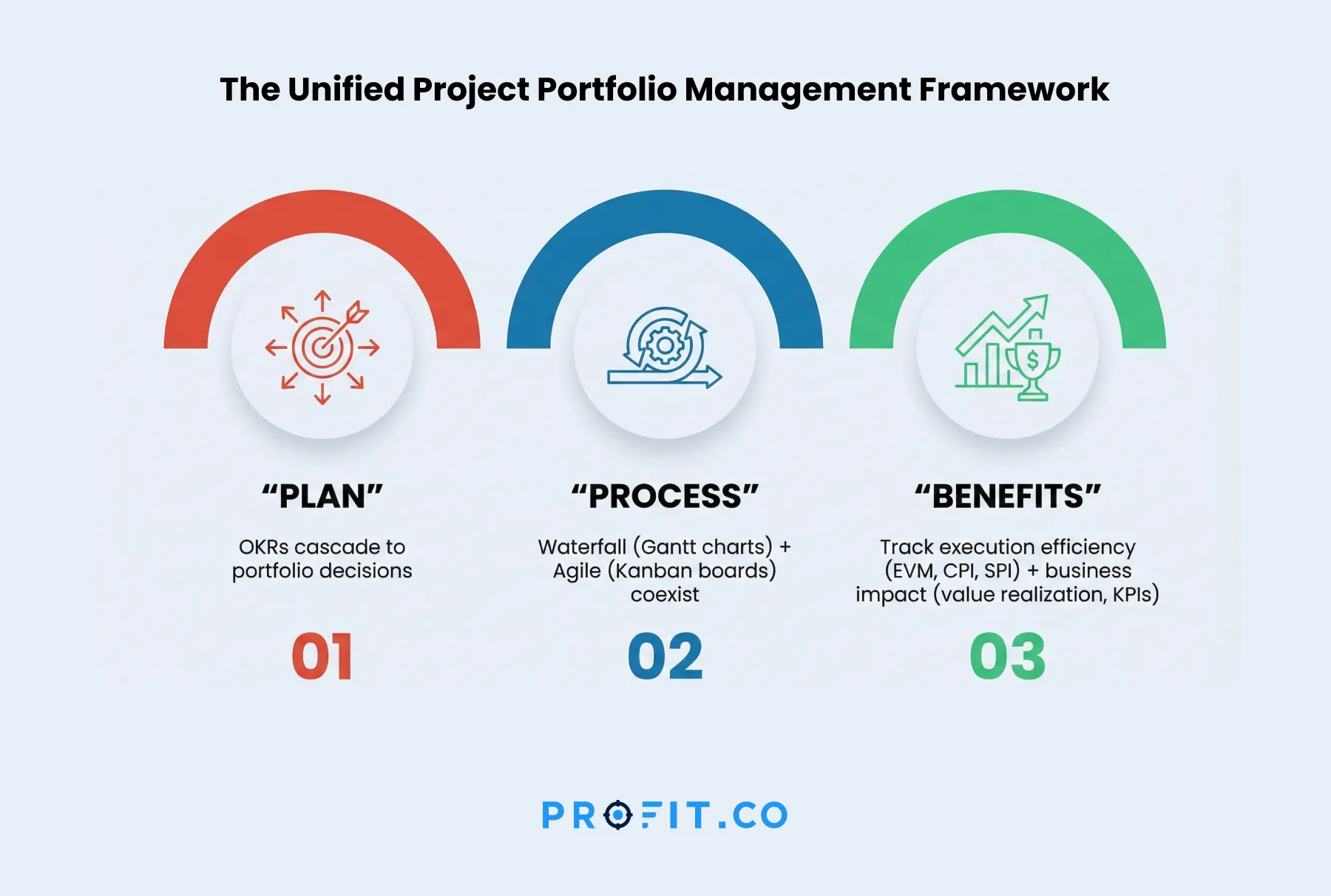
Figure 1: Unified PPM Framework – Connecting Strategy to Outcomes
This framework demonstrates how modern portfolio management moves beyond methodology debates to outcome accountability.
- The PLAN layer establishes a strategic line of sight through the OKR cascade.
- The PROCESS layer accommodates both Waterfall (milestone-based WBS structures) and Adaptive project management (sprint-based epics & user stories), allowing teams to choose a methodology that fits their work
- The BENEFITS layer differentiates between project outputs, measured through Earned Value Management (EVM) for execution efficiency, and business outcomes, measured through Business Value Management (BVM) for strategic impact. It provides real-time visualization of benefits realization progress
This framework ensures that methodology selection aligns with organizational strategy. For example, a pharmaceutical company may use Waterfall for FDA compliance projects and Agile for patient portal development, with both types of projects visible in the same portfolio view and traceable to corporate objectives.
From Outputs to Outcomes
Traditional Project Portfolio Management focuses on outputs, e.g., “Did the project finish on time and on budget?” Unified Project Portfolio Management emphasizes outcomes, e.g, “Did the portfolio deliver strategic value?”According to Gartner’s Strategic Portfolio Management framework, which identifies three core attributes: portfolio alignment, value-driven decision making, and ongoing flexibility, Unified Project Portfolio Management delivers value across four categories. This value is realized through the strategic line of sight established at the PLAN layer, as illustrated in the framework above.
- Strategic Clarity (Highest Impact): Portfolio decisions tied directly to business objectives. Clear rationale for why every project exists. Strategic alignment becomes the governance mechanism with reduced investment in low-value initiatives.
- Operational Efficiency: Resource planning works across methodologies. Financial forecasting becomes more accurate. Risk management gains cross-methodology visibility. Reduced overhead from tool fragmentation
- Adaptive Governance: Portfolio reviews focus on strategic progress, not just status. What-if scenario planning across mixed portfolios. Dynamic reprioritization based on strategic shifts
- Organizational Agility: Teams are empowered to choose an appropriate methodology. Reduced methodology wars. Faster onboarding. Culture shifts toward outcome-focused delivery
Unified Project Portfolio Management translates methodology-specific metrics into a common language of strategic value. As shown in the BENEFITS layer of the framework, the system tracks both execution efficiency (Cost Performance Index (CPI), Schedule Performance Index (SPI), sprint velocity through Earned Value Management) and business impact (market expansion, user adoption, and benefits realization through Business Value Management), providing executive dashboards that show both.
- Are we executing well?
- Are we delivering strategic value?
Implementation Essentials
Moving to unified Project Portfolio Management requires a redesign of governance, not just software. Organizations that implement Unified Project Portfolio Management as just another tool layer without governance redesign create new silos rather than eliminating old ones.1. Establish Strategic Line of Sight
Every project should answer:- Which strategic objective does this advance?
- What measurable outcome defines success?
- How will benefits be realized and tracked?
Projects that can’t articulate strategic contribution shouldn’t be in the portfolio, regardless of methodology.
2. Define Unified Governance:
Develop governance structures that function across methodologies. Project health should be defined by the delivery of strategic value rather than adherence to a specific methodology. Resource planning must accommodate both fixed allocation (Waterfall) and dynamic capacity (Agile), while financial management should support both sequential budgets and rolling wave planning.3. Enable Technology:
Modern Project Portfolio Management platforms should support bi-directional tool integration, allowing Agile teams to continue using Jira and Waterfall teams to use Microsoft Project, with the portfolio layer aggregating data. These platforms should also provide AI-augmented intelligence for automated planning, proactive risk detection, and resource optimization, as well as persona-based dashboards tailored to the needs of CFOs, PMOs, and resource managers.4. Navigate Cultural Change:
Teams accustomed to Waterfall may resist the ambiguity associated with Agile, while proponents of Agile may perceive Waterfall as overly bureaucratic. Critical success factors include executive sponsorship that prioritizes outcomes over methodology, training that fosters fluency across approaches, and incentive structures that reward the delivery of strategic value.The Path Forward
The debate between Agile and Waterfall methodologies overlooks the central issue. The primary consideration is not which methodology is superior, but rather which approach best fits the work and, more importantly, how each project advances organizational strategy regardless of methodology.The essential shift is from methodology governance to value governance. Traditional Project Management Offices (PMOs) focus on adherence to approved methodologies, whereas modern portfolio offices prioritize the delivery of strategic value. This transition transforms portfolio management from process enforcement to value optimization.
As organizations navigate digital transformation, regulatory complexity, and competitive pressure, the ability to manage mixed methodology portfolios while maintaining strategic coherence becomes a competitive differentiator. The enterprises that can run Agile sprints and Waterfall phases simultaneously, while keeping every project connected to strategic outcomes, will deliver faster, waste less, and adapt better.
Stop fighting methodology wars. Discover how unified Project Portfolio Management connects your projects to strategic outcomes
Unified PPM is a portfolio-level governance and visibility system that supports multiple delivery methodologies (Agile, Waterfall, hybrid) while connecting every project to strategic objectives and measurable benefits.
Traditional PPM focuses on project outputs like schedule, budget, and scope. Unified PPM adds outcome accountability, tracking whether the portfolio delivers strategic value tied to OKRs and business cases
Some work requires sequential delivery, fixed milestones, or regulatory sign-offs. Forcing Agile in these cases causes delays, rework, and compliance risk
It creates silos: Agile teams track work in sprint tools, Waterfall teams in Gantt tools, governance in separate systems. Leaders lose a single version of the truth on cost, risk, and capacity.
No. The best platforms integrate bi-directionally with Agile and Waterfall tools, letting teams work natively while rolling up data into one portfolio layer.
It tracks both execution efficiency (CPI, SPI, velocity, milestone health) and strategic impact (value realization, KPI progress, benefits delivery vs. business case)
Governance first. Without strategy-aligned portfolio rules, a new tool just becomes another silo
Related Articles
-
What Earned Value Management Actually Tells You And When to Use It
TL;DR Earned Value Management is the Level 4 capability in project portfolio management measurement maturity, the methodology that connects budget... Read more
-
The Hockey Stick Effect: Why Project Progress Spikes at Deadline
Karthick Nethaji Kaleeswaran Director of Products | Strategy Consultant Published Date: March 30, 2026 TL;DR The hockey-stick effect, where project... Read more
-
4-Hour Portfolio Reviews, 30-Minute Decisions: The Efficiency Gap Explained
Karthick Nethaji Kaleeswaran Director of Products | Strategy Consultant Published Date: March 30, 2026 TL;DR Most portfolio reviews are structured... Read more
-
The Portfolio Reporting Metrics Every CFO Should Be Asking For
TL;DR Most portfolio reporting gives CFOs completion percentages and RAG status, which are metrics designed for operational tracking, not investment... Read more