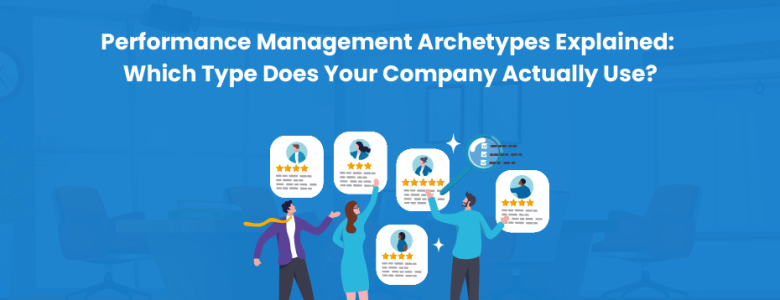
Reviews of work are coming up. People who work at Company A worry about their ratings, which could make or break their careers. At the same time, teams at Company B across the street are talking about growth goals over coffee. And at Company C across town? Their managers are getting data alerts about how… Read more
Have you ever had a coworker who says they will deliver by Friday but then Friday comes and goes? At first, you don’t care. Everyone is busy. But when it happens over and over, trust goes down. The “Say-Do Ratio” measures the difference between what someone says and what they really do. And here’s the… Read more
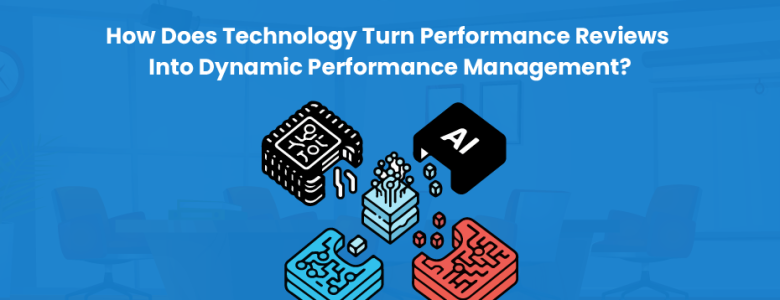
TL;DR The four main technologies that underpin dynamic performance management are automated feedback systems that facilitate continuous communication, real-time dashboards that display performance instantly, integration platforms that link your current tools, and AI analytics that forecast issues. By 2027, everyone will have access to individualized growth through digital coaching, agentic AI will automatically resolve issues,… Read more
Performance reviews Just the phrase makes some managers roll their eyes and employees check their calendars. But the truth is, performance management is changing fast. Gartner predicts adoption of Dynamic Performance Management will jump from just 6% in 2025 to 35% by 2029. That’s a tidal shift. So what does this mean for your organization?… Read more
Key Takeaways Catchball is the structured back-and-forth dialogue that turns cascading objectives into shared commitments. It ensures feasibility, alignment, and buy-in before plans are locked in. The process can be used during planning, cascading, and review cycles. A good catchball balances clear direction with openness to feedback. Worked examples make the process easy to replicate… Read more
Key Takeaways Functional silos weaken strategy execution by creating misalignment and inefficiency. Hoshin Kanri provides a shared visual and process framework to align teams. Shared objectives and KPIs force collaboration across departments. Cross-functional catchball and review cycles keep work coordinated Culture determines whether silos stay down Introduction Even the best-crafted strategies stumble if departments operate… Read more
Key Takeaways KPIs are the performance signals that show if strategy execution is working. In Hoshin Kanri, KPIs align directly to business drivers, objectives, and initiatives. Good KPIs are relevant, measurable, and balanced between leading and lagging indicators. Selection should be intentional — not a copy-paste from existing reports. Cross-functional examples make KPI selection easier… Read more
Key Takeaways Kaizen delivers incremental, daily improvements; Hoshin Kanri sets the strategic direction. Without integration, Kaizen can drift off-strategy, and Hoshin Kanri can become stagnant. A strategic improvement loop keeps big-picture objectives and daily problem-solving connected. Practical alignment steps help organizations in any industry link annual objectives to frontline action. Balanced focus ensures both breakthrough… Read more
For decades, organizations have approached performance management as a documentation and compliance exercise. Managers spend countless hours writing reports about what happened, conducting annual reviews, and filling out forms. Countless hours that could be better spent actually developing their teams and removing obstacles to success. According to Gartner , only 31% of HR business partners… Read more
Your HR team just spent 18 months researching, selecting, and implementing a “cutting-edge” performance management system. The rollout is complete, training is done, and everyone’s finally using the new platform. There’s just one problem, by the time you’re celebrating the successful implementation, the business world has already moved on. This is the state of many… Read more
Ever feel like your KPI dashboard is playing tricks on you? You’re not alone. Look at this particular scenario. You set a reasonable annual budget target of $1.2 million. Sounds achievable over 12 months. But then you check your weekly dashboard and your system is screaming that you need to hit $1.2 million this week…. Read more
Key Takeaways Relationship mapping shows how strongly initiatives support objectives. Strong, medium, and weak links use distinct symbols or weights to clarify alignment. Visualizing relationships helps prioritize work and improve resource allocation. Scoring relationships tie directly into initiative weighting (Article #3). Worked examples make the method easy to apply in real planning sessions. Why Relationship… Read more