
TL;DR
Growing startups need an OKR platform that’s simple to adopt, scales with their team, and keeps everyone aligned on what matters most. The right tool turns ambitious goals into trackable milestones, without drowning your team in process.Remember when your entire team fit around one table and everyone just knew what needed to happen? Those were simpler times.
Now you’re at 20, 30, maybe 50 people. Your engineering team is building features the marketing team doesn’t know about. Sales is chasing targets that don’t quite align with product roadmaps. And your leadership team is spending half their time in alignment meetings that somehow leave everyone more confused.
Sound familiar? You’re not alone, and you definitely don’t need another spreadsheet.
What Makes OKR Platforms Perfect for the Startup Growth Phase
Growing startups are past the “everyone knows everything” stage, but you’re not ready for enterprise-level complexity. You need something that actually works for teams moving at startup speed.An OKR (Objectives and Key Results) platform gives you the structure to scale without the soul-crushing bureaucracy. Think of it as your growth operating system, keeping 50 people as aligned as your original team of 5 was, even when they’re spread across different cities, time zones, or departments.
The magic happens when everyone can answer three questions in under 30 seconds:
- What are we trying to achieve this quarter?
- How does my work contribute to that?
- Are we on track, or do we need to pivot?
The Features That Actually Matter And the Ones That Don’t
Let’s cut through the noise. When you’re evaluating OKR platforms, here’s what separates game-changers from glorified to-do lists:- Real-time progress tracking means your quarterly business review isn’t the first time you discover you’re off course. You want dashboards that update in real time, not spreadsheets that require manual updates every Friday.
- Goal alignment visualization should show you at a glance how individual contributor work connects to company objectives. If someone from customer success can’t see how their OKRs ladder up to revenue goals, your platform isn’t doing its job.
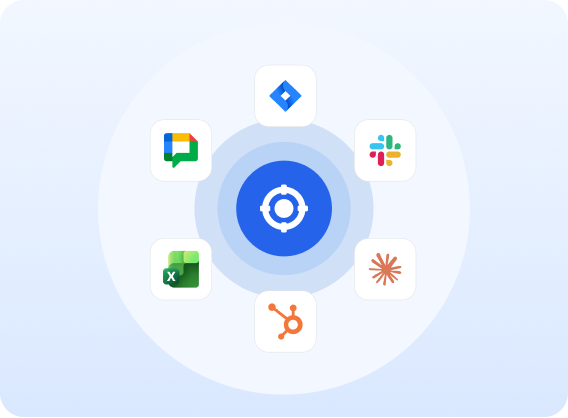
- Integration with your existing tools is non-negotiable. Your OKR platform should pull data from Jira, GitHub, HubSpot, or wherever your teams actually work. Manual data entry is where OKR initiatives go to die.
- Simple setup that doesn’t require a PhD in goal-setting frameworks matters more than you think. Your platform should make it easier for teams to adopt OKRs.
When Growing Startups Should Implement an OKR Platform
There’s a sweet spot, and it’s earlier than you think.Most startups wait until they’re drowning in misalignment before implementing OKRs. By then, you’re fighting uphill against established, often chaotic ways of working. The best time to introduce an OKR platform is when you’re between 15 and 30 people, right when things start getting fuzzy but before they become a complete mess.
You’ll know you’re ready when:
- You’re hiring quickly and new people ask “what should I focus on?”
- Different departments are optimizing for different things
- Leadership spends more time aligning than executing
- Your all-hands meetings feel like information dumps rather than rallying cries
Making OKRs Work Without Killing Your Startup Vibe
Here’s what scares most founders: “Won’t this slow us down? We’re a startup, we need to move fast!”Actually, the opposite is true. The right OKR platform accelerates your ability to move quickly because you’re not constantly re-aligning. You’re not having the same conversation six times. You’re not building features that don’t support strategic goals.
Start with quarterly cycles. Shorter than that and you’re just managing tasks. Longer than that and you lose the agility that makes startups dangerous. Keep your OKR sets lean, 3-5 objectives max per team. More than that and you’re not prioritizing right.
Most importantly, make check-ins matter. Weekly 15-minute OKR reviews consistently outperform monthly hour-long status meetings. Your platform should make these check-ins effortless, not another meeting your team dreads.
Ready to align your growing team around what matters most?
From Chaos to Clarity: What Changes When You Get OKRs Right
The best part of implementing an OKR platform is the cultural transformation it drives.Suddenly, everyone understands how their work creates impact. Your product designer sees how their user research connects to revenue goals. Your customer success manager understands why certain accounts get prioritized. Your newest hire knows exactly what success looks like.
Transparency goes up. Politics go down. Cross-functional collaboration becomes natural because everyone’s looking at the same scoreboard.
You actually start hitting your targets because aligned teams simply execute better.
Want to see what goal alignment looks like in action? Join hundreds of growing startups using modern OKR platforms to scale smarter, not harder
Project management tools track how work gets done (tasks, timelines, assignments). OKR platforms track why work matters and whether it’s moving the needle on strategic goals. The best setups integrate both: your OKR platform sets direction, and your project tools handle execution.
Most startups can implement OKRs successfully without external coaches, especially with a platform that includes templates and best practices. That said, a one-time workshop (4-8 hours) with an experienced facilitator can save you months of trial and error. Think of it like investing in good legal docs get the foundation right, then run with it.
Resistance usually falls into one of two categories: tool fatigue or an unclear value proposition. Combat this by starting small, integrating with tools they already use, and showing quick wins. When teams see OKRs actually helping them prioritize and say no to less important work, adoption follows naturally.
Related Articles
-
OKR Software with Mobile App: Track Your Goals Anywhere
TL;DR OKR software with a mobile app keeps your team aligned and productive wherever they are. Profit.co's mobile app allows... Read more
-
Top OKR Tools That Integrate Seamlessly with Microsoft 365
TL;DR If your company runs on Microsoft 365, your OKR tool should too. The best platforms integrate deeply with Teams,... Read more
-
The 6 Biggest Goal Management Challenges During M&A And How to Solve Them
TL;DR M&A integrations create unique goal management challenges that don't exist in normal operations: cultural conflicts, system incompatibility, talent loss,... Read more
-
6 Adaptations Required to Implement OKRs in Government
TL;DR The Objectives and Key Results (OKR) framework helps organizations align strategy, measure outcomes, and improve execution. However, government agencies... Read more