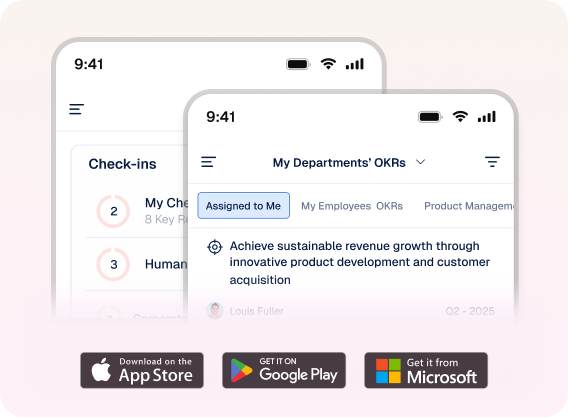
With Microsoft’s recent announcement of retiring Viva Goals by the end of 2025, thousands of teams are seeking a reliable alternative to manage their OKRs and strategic goals. For organizations looking to maintain momentum and streamline their goal-setting processes, the decision to switch platforms must be thoughtful and strategic. To help, we’ve compiled a list… Read more
OKRs (Objectives and Key Results) are everywhere these days. Companies of all sizes use them to focus on what matters, align teams, and drive results. But with all the buzz around OKRs, it’s easy to come across myths that make them seem confusing, intimidating, or even ineffective. Let’s break down five common misconceptions about OKRs… Read more
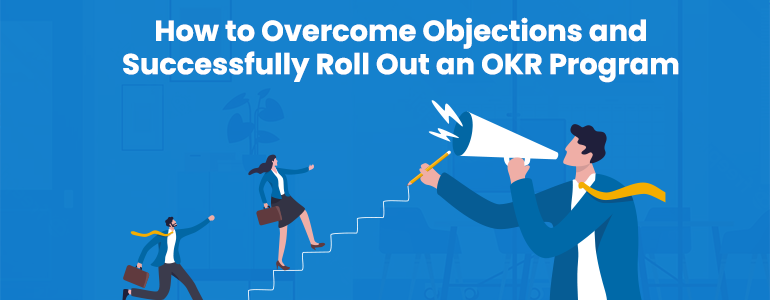
OKRs (Objectives and Key Results) are the secret to aligning your team and achieving big things. But let’s be honest: not everyone loves adopting a new system. Some might hear “OKRs” and think, Oh great, more work. Others might mutter, “Just another management fad.” And that’s okay. Objections are normal. They’re not roadblocks but opportunities… Read more
Benchmarking is an excellent and efficient way to discover your business’s highest performance standards by examining other companies’ success. As a leader or business owner, you must constantly seek ways to grow the company and improve performance. While how you define growth and performance varies in every company, the effects of low productivity and inefficiency… Read more
Risk Exposure is a vital Key Performance Indicator (KPI) in project management. It measures the potential impact of risks by considering both the likelihood of a risk event occurring and its possible severity. Effectively managing Risk Exposure allows organizations to prioritize risks, allocate resources wisely, and implement effective mitigation strategies. What is the Risk Exposure… Read more
Your shiny new project gets greenlit with all the bells and whistles—cutting-edge tools, a dream team (at least on paper), and a fat budget to boot. Yet somehow, it still crashes and burns. Sound familiar? You’re not alone. Despite billions poured into software, training, and certifications, project failures remain more common than office donuts disappearing… Read more
You’re juggling spreadsheets, trend reports, and economic forecasts, trying to plan the next big thing for your organization. Maybe you’re in government shaping public policy, a business leader launching a product, or a nonprofit director orchestrating an initiative. Either way, you’re staring at a swirling storm of factors beyond your control. How can you solve… Read more
Consider this situation. You’re leading a project, and the stakes are high. Your timeline looks like a labyrinth of deadlines, deliverables, and dependencies. How do you keep everything moving forward while staying sane? Look at project milestones those trusty checkpoints that make even the most Herculean tasks feel like a walk in the park. Milestones… Read more
Prioritization is one of the toughest and most critical tasks in any strategic planning process, especially in the Government sector. Often, everything feels equally important—whether it’s revitalizing downtown or conserving water but treating all goals equally dilutes focus and slows progress. So, how do you decide what truly matters? Force prioritization is a method that… Read more
Strategic planning in government isn’t just about writing lofty goals on paper. It’s about aligning resources, managing priorities, and building trust in the community. Yet, leaders often grapple with questions like: How do we balance competing priorities? How do we track progress over time? And most importantly, how do we build community trust? Nick Kittle,… Read more
One golden rule stands out regarding strategic planning in government: involve everyone. True democracy thrives when all voices are heard and actionable insights guide decision-making. So, how do you gather input from diverse stakeholders, synthesize it into meaningful themes, and prioritize focus areas that reflect the community’s collective aspirations? Nick Kittle, a recognized leader in… Read more
Democratic leadership nurtures a positive work environment that motivates your team to perform better and succeed. Democratic leadership is successful in many companies because it prioritizes team empowerment, participation, and collaboration. This style emphasizes and acknowledges the value of stakeholder and team input in decision-making. It gives your team a sense of ownership, which promotes… Read more