According to the creators of the Balanced Scorecard, nine out of ten organizations fail to execute their strategies. As a leader, you know this frustration firsthand. You have a solid strategy, but it’s trapped in a static PowerPoint deck or a chaotic web of spreadsheets, disconnected from the daily work of your teams. This guide… Read more
Whether you’re managing a small startup or leading a large team in a global corporation, you can’t avoid risk. It’s a constant factor in every project, from new product launches to everyday business decisions. Economic, technological, environmental, and competitive factors introduce obstacles companies must manage and overcome. Research suggests that organizations that actively embrace strategic… Read more
TL;DR The Say-Do Ratio is an agile performance metric that measures how reliably a team delivers on its promises. It compares what a team says it will do to what it actually does. A high Say-Do Ratio means predictable execution and strong trust; a low ratio signals organizational friction and strategic drag Studies reveal that… Read more
Table of Contents What are Performance Management Archetypes The Four Performance Management Archetypes What is the Current Market Distribution and Trends? How to Choosing the Right Archetype for Your Organization? What are the Implementation Considerations? Future Evolution and Recommendations What are Performance Management Archetypes? Performance management isn’t one-size-fits-all. Organizations today use fundamentally different approaches based… Read more
TL;DR: Ben Lamont’s core guidance: nail it before you scale it, document clear deployment parameters, train internal coaches and KR champions, embed alignment everywhere, run focused check‑ins (team weekly/bi‑weekly; one mid‑cycle multi‑team), and treat OKRs as a learning system (Reflect & Reset), not a performance weeder. Executive sponsorship is best won by coaching them directly… Read more
Samhitha Reddy Customer Success Manager Keeping customers happy is getting harder. They want faster responses, more personal service, and solutions that actually work for their specific needs. The traditional approach to customer success is evolving. Smart customer success teams are utilizing AI tools and effective goal-setting methods, such as OKRs, to address these specific challenges… Read more
TL;DR: Say-Do Ratio = (Completed ÷ Promised) × 100. Please monitor your commitments in comparison to what you actually complete. Target 85-90% for individuals, 80-90% for teams. Don’t count unplanned work or change commitments mid-period. Common mistakes: scope creep inflation, moving targets, the perfectionist trap, and unfair comparisons. Leverage it as a learning opportunity rather… Read more
Key Takeways Measuring Hoshin Kanri requires more than tracking business results — you must track process health. Process KPIs ensure alignment, engagement, and review discipline remain strong over time. Both leading and lagging indicators matter for sustainable strategy deployment. A healthy Hoshin Kanri process produces better business outcomes over the long run. Introduction:Looking Beyond Business… Read more
Companies that treat work as separate projects instead of strategic portfolios always do worse than their competitors. It’s not just a management choice to move from project-based to portfolio-based thinking; it’s a strategic necessity that decides whether executives can really carry out their organization’s strategy. What is The Project Trap? Most executives are stuck in… Read more
key Takeways Leadership is the engine that powers Hoshin Kanri from plan to execution. Leaders set the vision, model alignment behaviors, and create the conditions for success. The X-Matrix, catchball, and cascading work best when leaders actively engage. Leaders must balance direction-setting with listening and adapting. Engagement grows when leaders make strategy visible and celebrate… Read more
Key Takeways Many Hoshin Kanri failures come from process missteps, not the framework itself. Avoiding common mistakes requires discipline, clarity, and cultural alignment. Strong leadership, well-defined KPIs, and regular reviews are non-negotiable. Sustained success depends on making Hoshin Kanri a living, adaptive system Why do Mistakes Happen? Hoshin Kanri has a reputation for being powerful… Read more
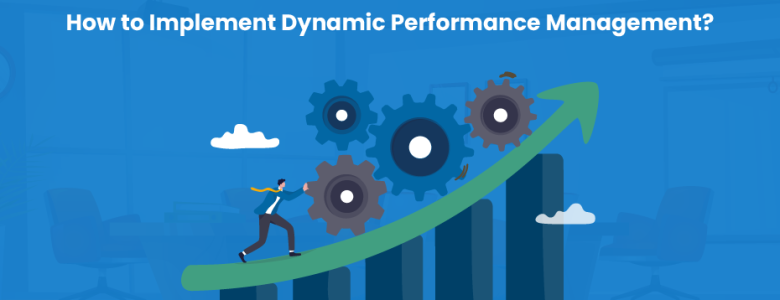
If you’ve ever felt that traditional performance reviews are slow, clunky, and out of touch… you’re not alone. That’s why many organizations are moving to Dynamic Performance Management (DPM), a faster, smarter, and more flexible approach. Implementing Dynamic Performance Management takes structure, patience, and the right roadmap, which involves four distinct phases. TL;DR Dynamic Performance… Read more