If you’ve ever hit a creative roadblock, you know how frustrating it can be. The pressure to develop the perfect solution can make the process feel like a mental maze. What if the solution to your creative block isn’t finding the answer right away? What if the real breakthrough happens when you stop focusing on… Read more
Project management requires close progress monitoring to allow swift adjustment where necessary to ensure timely success. Effective project management plays a vital role in achieving business objectives and goals. The success of a project primarily depends on you or your team’s ability to balance resources, timelines and workflow efficiently. With the right tools and resources,… Read more
Managing a project can sometimes feel like walking a tightrope blindfolded. You’ve likely seen the daunting numbers less than half of IT projects succeed. They either don’t finish, or they run into serious problems. This guide is for anyone who wants to get better at managing projects whether you’re just starting out, have a few… Read more
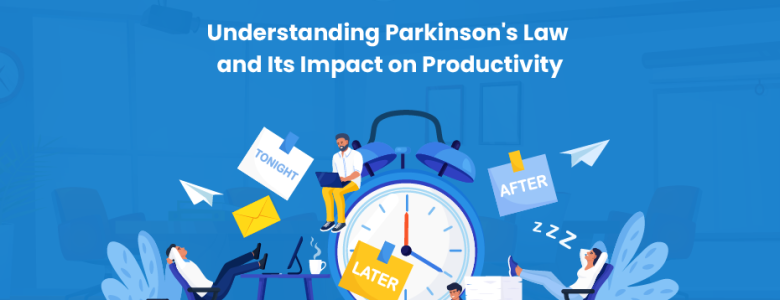
We all know the drill: “We’ve got plenty of time.” A project, a presentation, a new initiative we give ourselves endless time to finish, and what happens? We drag our feet, lose focus, and somehow end up in a mad rush at the end. The truth is, the more time we have, the less we… Read more
We recently hosted an insightful webinar with Ben Lamorte, a leader in OKR coaching. During the session, we covered everything from defining OKRs to executing them successfully within your organization. Below, we’ve gathered some of the key questions and answers that will help you turn your OKRs from just a “set it and forget it”… Read more
We’ve all heard about performance reviews, the ones where employees are rated on a scale, with ratings like “meets expectations” or “exceeds expectations.” But what if I told you that the magic of employee performance reviews lies not just in numbers and statistics but in something a bit less quantifiable? That’s right, I’m talking about… Read more
TL;DR Transparency across planning, processes, and people drives business success by creating clarity, trust, and alignment. When employees understand goals, workflows, and their role in the bigger picture, they become more engaged, productive, and accountable. This leads to faster decision-making, better collaboration, and improved retention—ultimately resulting in stronger business performance Transparency isn’t a buzzword. It’s… Read more
TL;DR Early wins are critical for successful product adoption because they quickly demonstrate value, build trust, and create momentum. By using a Project Prioritization Matrix (effort vs. impact), teams can identify high-impact, low-effort “quick wins” to focus on first. Delivering these wins early drives customer engagement, boosts confidence, and sets the stage for larger, long-term… Read more
Bastin Gerald Founder & CEO at Profit.co Last updated: March 14, 2025 TL;DR In a rapidly changing, AI-driven business environment, organizations can’t afford inefficiency. This framework evaluates initiatives based on planning (conservative → aggressive) and execution (poor → strong), dividing them into four zones: Crap Tolerating Zone: Low ambition + poor execution → major inefficiency… Read more
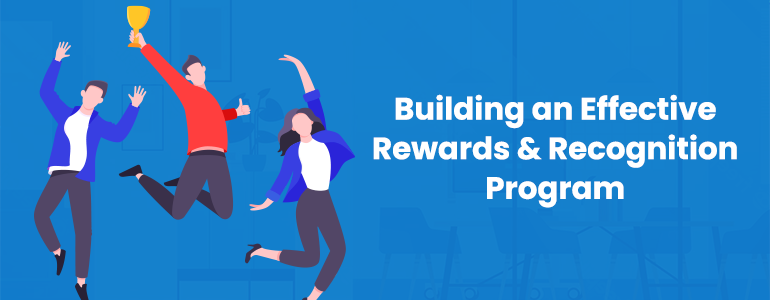
TL;DR Transparency improves organizational performance by boosting trust, engagement, and productivity. When employees understand decisions, goals, and their role in success, they perform better. A transparent culture requires clear communication, aligned goals, feedback loops, and visible leadership. Lack of transparency leads to disengagement, poor communication, and reduced innovation. An effective Rewards and Recognition (R&R) program… Read more
Prakansha Charles Product Marketing Specialist Last updated: March 7, 2025 TL;DR Artificial Intelligence can mimic human-like behavior—writing, creating, and analyzing data—but it doesn’t truly think like humans. Unlike people, AI lacks emotions, self-awareness, intuition, and real understanding. It works by recognizing patterns and generating responses based on data, not personal experience or consciousness. While AI… Read more
TL;DR In Series 1 of the toughest 0, Ben Lamorte focuses on overcoming common implementation challenges like resistance, lack of alignment, and overcomplication. He emphasizes keeping OKRs simple (1–3 objectives with 3–5 key results), conducting bi-weekly check-ins, and ensuring strong leadership buy-in. Success with OKRs comes from fostering a growth mindset—shifting from pass/fail to progress-based… Read more