TL;DR In Series 2 of “14 Toughest Questions on OKRs,” Ben Lamorte tackles common implementation challenges like setting the right level of ambition, avoiding too many OKRs, and ensuring cross-functional alignment. He emphasizes using a balance of commitment, target, and stretch goals, focusing on outcomes over tasks, and fostering shared accountability through OKR champions. Effective… Read more
Product Development Cheat sheet 2025 – Download PDF Here TL;DR The product development life cycle is a structured process that takes a product from idea to market launch through stages like idea generation, validation, product definition, prototyping, design, testing, and commercialization. It helps teams stay aligned, reduce risks, and build products that meet real customer… Read more
TL;DR The GAIN Model (Goal, Assess, Invest, Nurture) is a modern performance management framework that helps organizations improve engagement, productivity, and retention. It focuses on setting clear goals, conducting regular evaluations, investing in employee development, and recognizing achievements—creating a continuous cycle of growth, alignment, and high performance Effective performance management has become a critical component… Read more
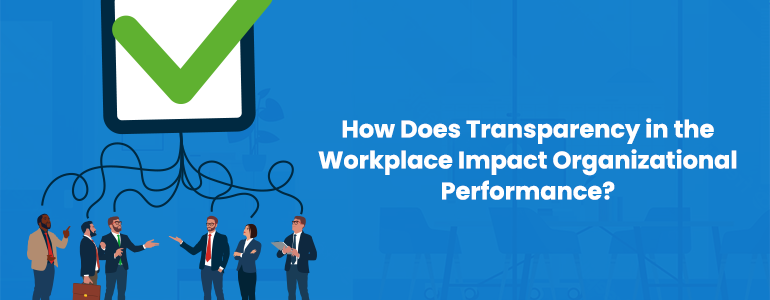
TL;DR Workplace transparency directly improves organizational performance by increasing trust, engagement, and clarity. When employees understand goals, decisions, and their role in the bigger picture, they become more productive, collaborative, and motivated. Transparent organizations see better communication, stronger alignment, higher innovation, and improved business outcomes, while a lack of transparency leads to confusion, disengagement, and… Read more
TL;DR Analysis paralysis happens when overthinking stops you from making decisions. It’s often caused by too many choices, fear of failure, or perfectionism. Your brain tries to avoid mistakes—but ends up creating inaction and stress. The fix is simple: reduce options, set deadlines, accept imperfection, evaluate risk, and trust your instincts Progress beats perfection—taking action… Read more
TL;DR Product and engineering teams often clash due to competing priorities—speed vs. scalability OKRs act as a bridge, aligning both teams around shared business outcomes. They shift focus from tasks (features) to impact (results). OKRs help prioritize what truly matters, reduce friction, and improve execution When both teams co-own OKRs, collaboration improves and outcomes become… Read more
TL;DR Organizations often struggle to turn strategy into execution, creating a gap between vision and real results. OKRs help bridge this gap by connecting business goals with product strategy and engineering execution, ensuring that every team works toward measurable outcomes. Instead of focusing on outputs like features, OKRs shift attention to impact—such as user growth,… Read more
TL;DR Dotted-line reporting is a flexible organizational structure where employees report to both a primary (solid-line) manager and a secondary (dotted-line) manager, enabling better collaboration across teams. This approach helps break down silos, improves cross-functional teamwork, and allows organizations to leverage diverse expertise for projects. While it enhances agility, innovation, and project efficiency, it can… Read more
TL;DR The Pomodoro Technique boosts productivity by breaking work into 25-minute focused sessions followed by short breaks. This structure helps reduce distractions, prevent burnout, and improve focus by making tasks feel more manageable. It’s simple, flexible, and effective for maintaining consistent progress—especially when combined with other productivity methods. Your to-do list is staring at you…. Read more
TL;DR Ben Lamorte recommends limiting OKRs to 1–3 objectives per team, each with 3–4 key results. Too many OKRs lead to confusion and execution fatigue, while fewer, high-impact goals improve focus, alignment, and measurable outcomes. The key is prioritizing outcomes over tasks and keeping OKRs simple and actionable. Let’s be honest most companies set way… Read more
TL;DR The ideal frequency for OKR check-ins is bi-weekly. Weekly check-ins often feel repetitive, create meeting fatigue, and lead to fake updates. Monthly check-ins are too infrequent, causing delays in spotting issues and missed opportunities for course correction. Bi-weekly check-ins strike the balance: frequent enough to maintain accountability and focus, but spaced enough to show… Read more
TL;DR Ben Lamorte’s three-phase approach to OKR success—Deployment Coaching, Training, and Execution—helps organizations move from simply setting goals to achieving real results. By building a strong foundation, ensuring team alignment, and maintaining consistent execution, companies can turn OKRs into a powerful, results-driven system When it comes to OKRs, it’s easy to get caught up in… Read more