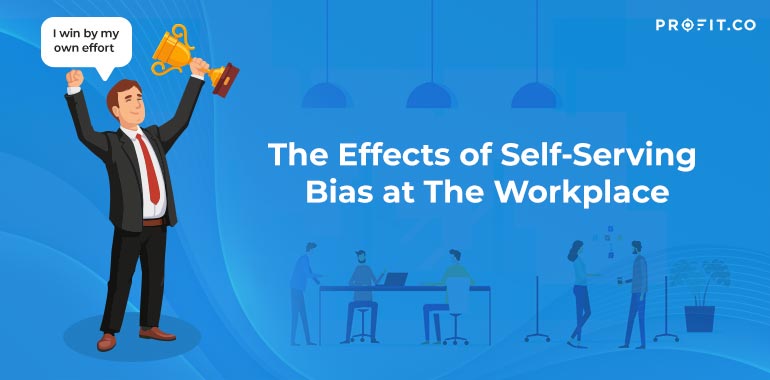
Our minds look for the meaning behind every good and bad thing that happens in life. We prefer positive events and results but rarely find fault in ourselves when things go wrong. Self-serving bias is when we take credit for the good and blame others for the bad. How does this bias affect our personal… Read more
Project management is a critical part of running a successful business. Project managers have plenty on their plates to balance internal and external business functions. Here are some key statistics to demonstrate project management complexities 85% of project managers have five, sometimes ten, projects running simultaneously. 54% of companies fail to track their key performance… Read more
TL;DR Committed OKRs are realistic, measurable goals that teams must achieve 100% to ensure organizational success. Aspirational OKRs, also known as moonshot goals, stretch beyond current capabilities to inspire innovation and bold progress. While committed OKRs ensure stability and accountability, aspirational OKRs fuel growth and creativity. The ideal strategy is to balance both—start with committed… Read more
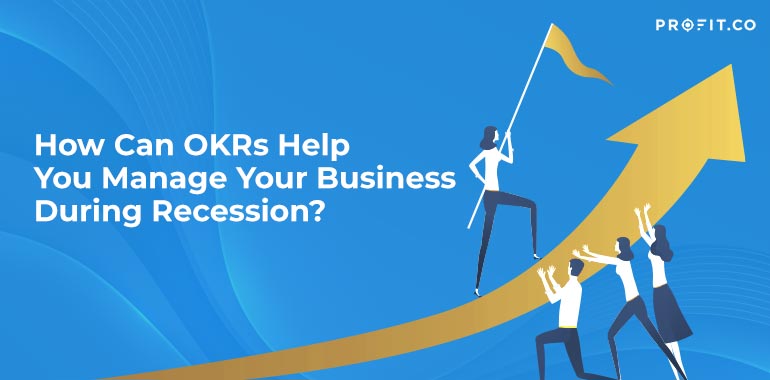
No business is immune to recession, but only the best-prepared companies survive and thrive. The effects of the Covid-19 pandemic, global conflicts, political changes, energy regulations, climate change, and many other factors drive today’s hardships. Managing recession with OKRs is vital to keep businesses afloat. Let’s look at how OKRs can help your company navigate… Read more
Introduction While no business can achieve 100% productivity, there are plenty of reasons to improve performance through scheduling. For example, highly engaged employees are over 20% more productive at work, given good communication, few distractions, and the right tools to manage their tasks. Once you understand how to schedule your time, you’ll see daily benefits… Read more
Organizations often have to take important decisions that can either make or break their success. Making the right decisions at the right time matters. However, taking the right decisions is neither easy nor straightforward. You may have to measure relevant metrics, sift through enormous Parents of data, and make predictions and accurate projections to gain… Read more
The sunk cost fallacy is our habit of continuing a project we invested in, even when the downsides outweigh the benefits. We can invest time, effort, or finances. Introduction Let’s say you purchased a ticket to a movie premier four weeks ago for $500. On the premiere night, you discover it’s pouring outside, and you’re… Read more
Humans are primarily rational, and we want to believe that we make decisions based on logic and reason. But the truth is that we are often irrational creatures driven by emotions and prejudices, and this is what psychologists call “bounded rationality.” Bounded rationality occurs when we make decisions based on limited information. It may lead… Read more
As the world transforms into a virtual marketplace, increasingly significant decisions are made on screen. The influence of the design of the digital world on such decisions can no longer be ignored. The user experience (UX) plays a vital role today in the growth of any business in any industry. In this overload of information… Read more
Introduction When you crack open a fortune cookie, the message inside is likely heartwarming or motivating, like, “You are almost there,” or “Every day in your life is a special occasion.” Fortune cookies, horoscopes, and your Spotify recommendations have one thing in common: they demonstrate the Barnum effect. So, what is the Barnum effect, and… Read more
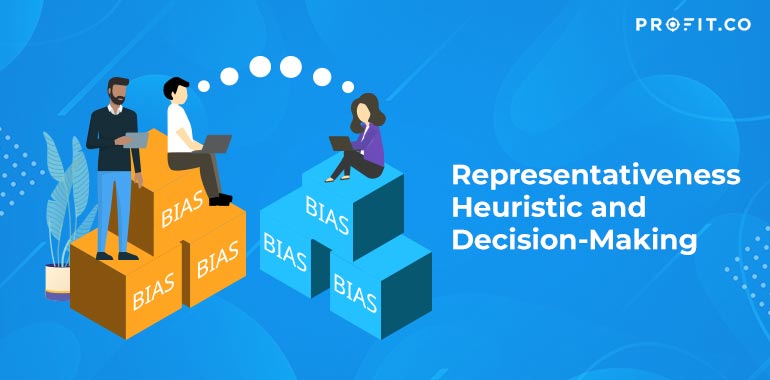
Decision-making is a complex process that determines our daily lives, from choosing our meals, our significant others, our purchases, and our investments. But the human brain, remarkable as it is, often takes shortcuts to help us make decisions. One of these mental shortcuts is called a representative heuristic. Let’s begin by defining some essential terms… Read more
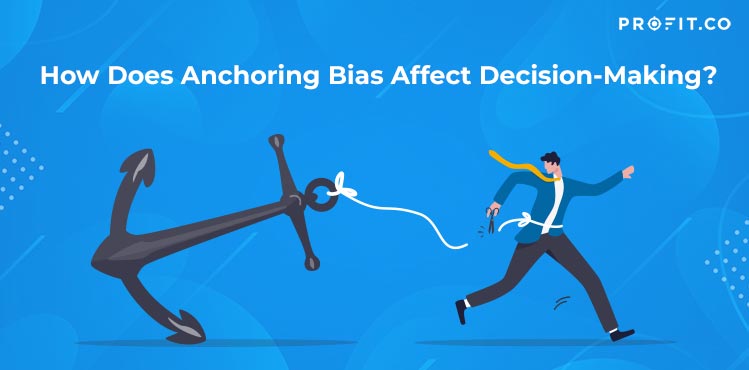
Ask anyone about their life expectancy: how long do they think they’ll live? The most common answers involve parents and grandparents. If they lived for over 100 years, you expect longevity. Is this accurate? We use our parents’ age as an anchor or reference point for our expectations. Unfortunately, we ignore that our current lifestyle… Read more