TL;DR Net Retention Rate (NRR) is a key KPI that measures how well a company retains and grows revenue from its existing customers over a specific period. It reflects business health by considering retained revenue, churned customers, and expansion revenue from upgrades or additional purchases. Companies typically calculate NRR using metrics such as Monthly Recurring… Read more
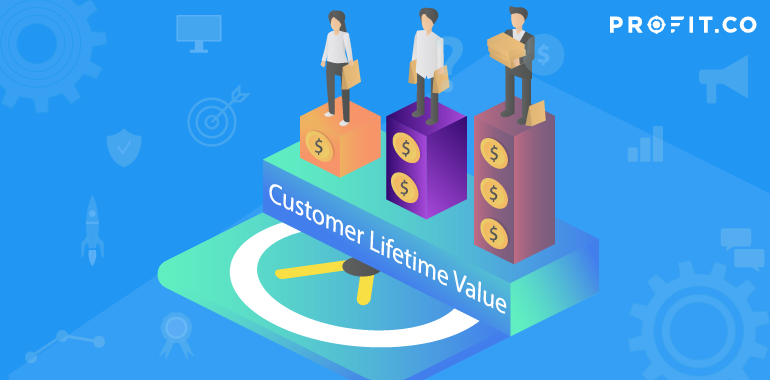
TL;DR Customer Lifetime Value (CLV) measures the total revenue or profit a business can expect from a single customer throughout the entire relationship with the company. It helps organizations understand how valuable their customers are over time and guides decisions around marketing, customer acquisition, and retention strategies. Businesses calculate CLV using historical purchase data or… Read more
TL;DR Customer Acquisition Cost (CAC) measures how much your business spends to gain a new customer by dividing total marketing and sales expenses by the number of customers acquired in a given period. As digital advertising costs rise, tracking CAC has become essential for maintaining profitability and optimizing marketing performance. To improve CAC, businesses must… Read more
What Is Employee Offboarding? Employee Offboarding is the process that leads to the formal separation between a business and its employee through resignation, termination, or retirement. Depending on the seniority of the employee, the offboarding process might differ for each employee. This may include: Transferring that employee’s job responsibilities and knowledge Deactivating access rights and… Read more
TL;DR Resource management is the process of planning, scheduling, allocating, and monitoring resources such as people, time, finances, equipment, and materials to achieve project goals efficiently. It ensures that the right resources are available at the right time for the right tasks. Effective resource management helps organizations reduce costs, improve productivity, forecast future needs, and… Read more
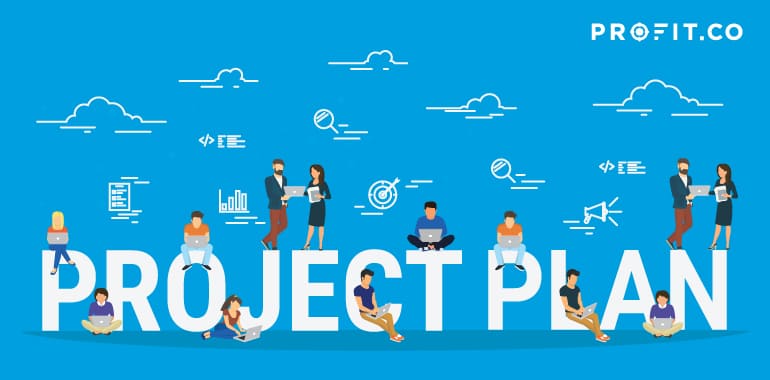
TL;DR Project planning is the process of defining how a project will be executed, monitored, and completed within a specified timeframe and budget. It converts a broad idea or objective into a structured plan that outlines project scope, resources, timelines, and deliverables. Effective project planning helps teams align around shared goals, allocate resources efficiently, manage… Read more
Table of Contents: Introduction What is Performance Management? Why is Performance Management important? The Significance of Performance Management The Purpose of Performance Management The benefits of Performance Management How to Achieve Effective Performance Management? How to Choose a Performance Management System? 10 Performance Management Best Practices Frequently Asked Questions Conclusion Introduction Performance management has come… Read more
TL;DR Scope creep occurs when small, uncontrolled changes are added to a project after it has already started, gradually expanding the original scope. These changes often accumulate over time and can lead to project delays, budget overruns, increased workload, and misalignment with original goals. Common causes include unclear requirements, poor communication, changing client expectations, and… Read more
TL;DR Project management software helps teams streamline tasks, manage budgets and resources, improve collaboration, and gain real-time visibility into project progress—making it essential for modern and remote workplaces. Leading tools like Profit.co, Asana, Trello, Monday.com, Adobe Workfront, Smartsheet, ClickUp, Nifty, LiquidPlanner, and Buildtools offer features ranging from task tracking and Kanban boards to automation and… Read more
“Productivity” is a term that gets tossed around a lot. There are tons of apps, programs, classes, and even diets that all purport to help you increase your productivity both at work and in your personal life. Bosses and managers always want more productivity and are constantly looking for ways to measure it. And most… Read more
What does WFH mean? WFH is the abbreviation for Work From Home. It means an employee is working from a place of residence, an apartment or house, rather than working from the office. Many companies have a WFH policy; it allows their employees to work from home full-time or as a hybrid model where they… Read more
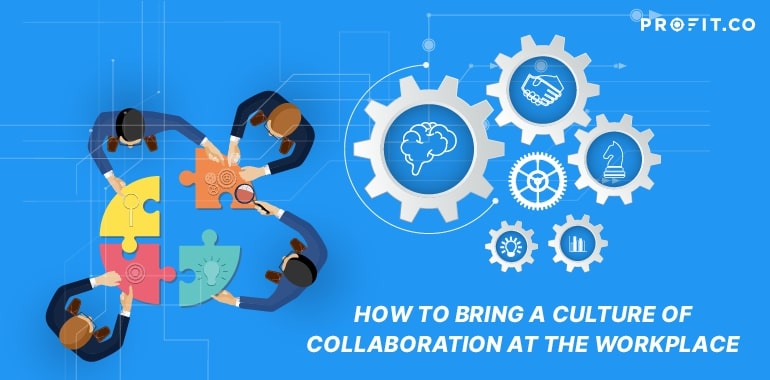
TL;DR Bringing a culture of collaboration to the workplace means intentionally creating an environment where teams share knowledge, communicate openly, trust one another, and work toward shared goals. Collaboration can take many forms—team, cross-functional, contextual, community, social, virtual, and cloud—and each contributes to productivity, innovation, and employee satisfaction. Organizations can foster collaboration by promoting transparency,… Read more