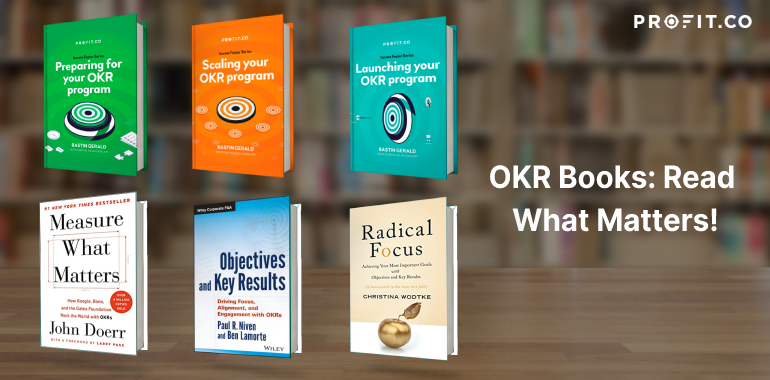
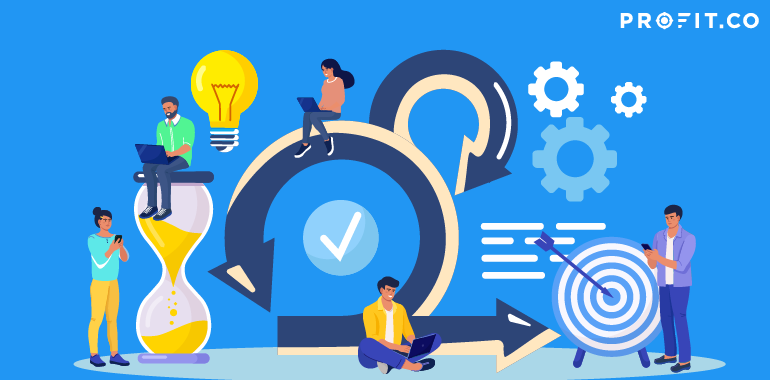
The growing need for OKRs In a highly competitive business environment, it is crucial to dream big, achieve more and push the boundaries further every time. High growth and achievement isn’t just for companies who want to lead the pack and find success– it’s for survival in today’s highly competitive market. This is because only… Read more
TL;DR Talent management is a strategic HR process focused on attracting, developing, engaging, and retaining employees aligned with business goals. It covers the entire employee lifecycle—from hiring to offboarding—and includes key steps like planning, attracting, selecting, developing, retaining, and transitioning talent. Effective talent management improves productivity, strengthens employer branding, reduces skill gaps, and boosts employee… Read more
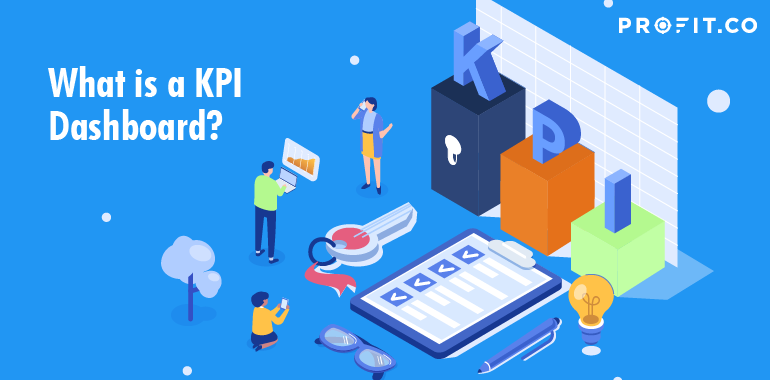
TL;DR A KPI dashboard is a visual tool that displays key performance indicators (KPIs) using charts and graphs on a single screen, helping teams monitor performance and make data-driven decisions quickly. It simplifies complex data, provides real-time insights, and improves collaboration across departments. KPI dashboards can be strategic, operational, tactical, or analytical, each serving different… Read more
TL;DR Agile project management is an iterative approach that breaks large projects into smaller tasks, allowing teams to adapt quickly to changes and deliver value faster. Built on 12 principles and 4 core values, Agile emphasizes collaboration, customer feedback, flexibility, and continuous improvement. Originally designed for software development, it is now widely used across industries…. Read more
TL;DR OKRs (Objectives and Key Results) help improve IT AMS (Application Maintenance and Support) by aligning strategic, tactical, and operational goals with measurable outcomes. They provide visibility across stakeholders, enable better tracking of SLAs, and ensure continuous improvement in support efficiency and service delivery. By using OKRs, organizations can address common AMS challenges such as… Read more
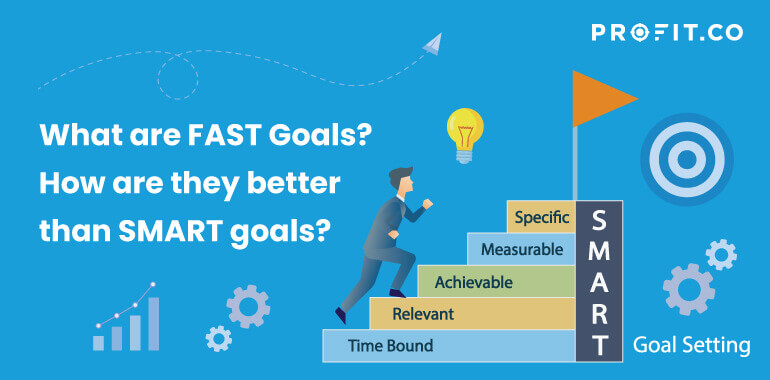
TL;DR FAST goals are a modern goal-setting approach that stands for Frequently discussed, Ambitious, Specific, and Transparent. Unlike traditional SMART goals, FAST goals emphasize continuous alignment, collaboration, and adaptability, making them better suited for dynamic and fast-changing business environments. While SMART goals focus on structure and measurability, FAST goals promote transparency, regular check-ins, and ambitious… Read more
TL;DR Process mapping is a visual method used to illustrate workflows, showing each step, decision point, input, and output in a process. It helps teams understand how processes work from start to finish, identify inefficiencies, and improve overall performance. By simplifying complex workflows into clear diagrams, process mapping enhances communication, supports process improvement, and ensures… Read more
TL;DR A project manager is responsible for planning, executing, and delivering projects on time, within budget, and according to defined objectives. They coordinate teams, manage resources, track progress, mitigate risks, and ensure effective communication among stakeholders throughout the project lifecycle. Successful project managers combine leadership, communication, problem-solving, and analytical skills to align teams with business… Read more
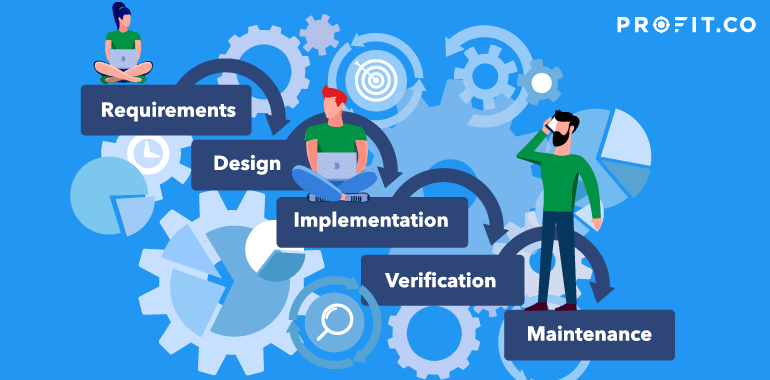
The Five Phases of Waterfall Project Management: Its Advantages and Disadvantages Have you ever wondered why Elon Musk, Jeff Bezos, Bill Gates, and the rest of Silicon Valley have successful projects? The answer is outstanding project management, which ensures successful implementation from start to finish. Good business leaders create a vision, articulate the vision, passionately… Read more
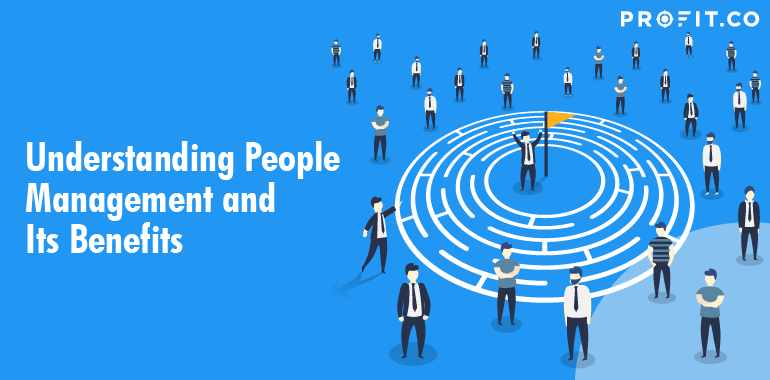
TL;DR People management is the process of acquiring, developing, motivating, and retaining employees to improve productivity and business outcomes. It focuses on building strong workplace relationships, enhancing communication, and creating a positive work environment. Effective people management drives higher employee engagement, better collaboration, increased productivity, and stronger retention. Key elements include motivation, communication, teamwork, and… Read more
TL;DR Efficiency in business means achieving desired results with minimal waste of time, effort, or resources. It focuses on doing things right, while effectiveness focuses on doing the right things. High-performing organizations balance both to maximize outcomes. Improving efficiency leads to better productivity by optimizing workflows, reducing bottlenecks, and aligning tasks with business goals. Key… Read more
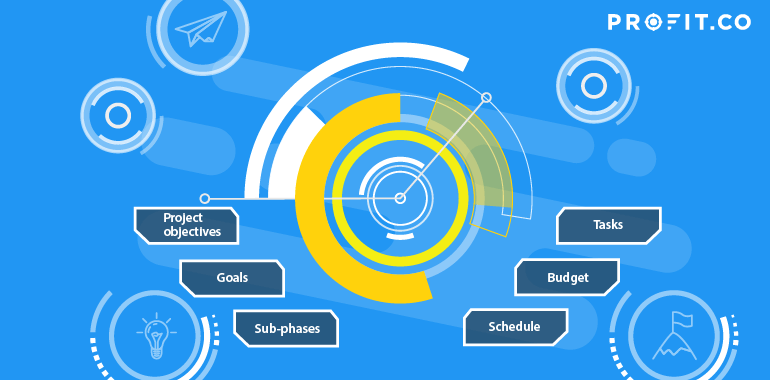
TL;DR Project scope defines the boundaries, deliverables, tasks, timelines, and resources required to complete a project successfully. It ensures all stakeholders clearly understand what is included—and what is not—helping teams stay aligned and avoid scope creep. A well-defined project scope improves planning, resource allocation, and execution. It includes key components like objectives, goals, tasks, budget,… Read more