TL;DR
Traditional performance management often turns managers into judges rather than coaches, bogged down with documentation and annual ratings. Dynamic Performance Management (DPM) flips this with continuous feedback, real‑time performance intelligence, automated compliance, and coaching‑centric leadership. Leading organizations like Netflix and Microsoft have moved away from static evaluations toward ongoing, development‑focused approaches backed by data and culture change to drive performance.Introduction
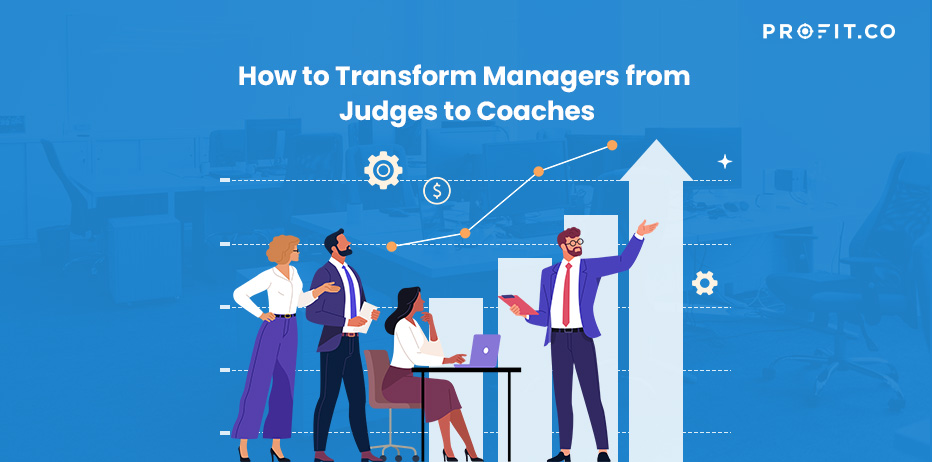
Have you ever wondered if your best managers are spending 40% of their time on work that could be automated? It’s a hidden problem within traditional performance management systems: managers being burdened with administrative tasks instead of focusing on developing people and driving results.In this post, we’ll explore how Dynamic Performance Management (DPM) is transforming managers into performance coaches. It’s an actionable change powered by real-time data, continuous feedback, and automated compliance.
The Great Manager Misallocation
Managers, the people closest to your actual work and your best talent, are buried under performance documentation, rating calibrations, and compliance paperwork. All of this activity leaves the real performance issues unaddressed.Now, think about the best manager you’ve ever worked with.
- Is it their ability to fill out performance review forms that makes them outstanding?
- Or is it their ability to:
- Spot issues before they become problems?
- Clear obstacles so their team can focus on high-value work?
- Provide coaching that actually changes behavior
Foster an environment where people do their best work? Now ask yourself, how much time does your current performance management system give them to do these things?
The Judge vs. Coach Dilemma
In traditional systems, managers serve as judges. At the end of the year, they sit in judgment of team members, weigh evidence, assign ratings, and deliver verdicts. It’s adversarial by design. But here’s the fundamental issue: you can’t effectively be both judge and coach.Here’s how the two approaches differ:
The Judge Approach:
- Collects evidence throughout the year
- Makes final determinations about performance
- Focuses on what already happened
- Creates distance between the manager and the employee
- Optimizes for fairness and documentation
The Coach Approach:
- Provides real-time feedback and guidance
- Focuses on improving future performance
- Addresses issues immediately when they can be fixed
- Builds trust and collaboration
- Optimizes for growth and results
What Technology Makes Possible
Let’s explore how technology is enabling this transformation for managers. The same AI and analytics tools revolutionizing other business functions are now making their way into performance management.1. Real-Time Performance Intelligence
Instead of forcing managers to remember and document performance over 12 months, dynamic systems provide continuous performance insights. Managers can spot trends, patterns, and early warning signs without becoming data collectors.2. Automated Compliance
All the documentation needed for legal and regulatory compliance is generated automatically, based on actual work outputs, feedback patterns, and goal progress. This ensures that managers don’t have to choose between coaching and compliance.3. Barrier Identification
Advanced analytics can pinpoint what’s preventing high performance, whether it’s resource constraints, skill gaps, process bottlenecks, or team dynamics. This gives managers actionable intelligence to focus their coaching on the right areas.Want to try a data-driven performance management system?
Some Real-World Examples of Successful Organizations That Stayed Ahead of the Curve
Let’s take a look at how Netflix and Microsoft have successfully made this shift. These examples illustrate how continuous feedback and coaching have transformed performance.Netflix: Continuous Feedback Over Ratings
Netflix moved away from annual performance reviews and replaced them with ongoing feedback and frequent conversations. Netflix uses a famous evaluation method called the “Keeper Test,” which asks managers if they would fight to keep a particular employee. focuses on real-time development and continuous feedback, rather than annual judgment.Why is this technique effective?
Netflix’s approach isn’t just about eliminating performance ratings and empowering managers to have better, data-driven conversations. Managers can assess who’s struggling not because they’ve filled out forms, but because they have real-time visibility into performance patterns.Microsoft: From Stack Ranking to Growth Mindset
Microsoft transitioned from its stack ranking system, which forced managers to rank employees against one another, creating unhealthy competition. Under Satya Nadella, Microsoft shifted to a more collaborative, feedback-driven approach. Managers now focus on:- Frequent coaching conversations
- Identifying and removing barriers to performance
- Connecting individual work to broader company goals
- Developing people’s capabilities in real-time
This shift has significantly improved employee satisfaction, retention, and overall performance.
What This Means for Your Managers Today
Shifting from judge to coach is a critical change that requires both strategic planning and support. To set your managers up for success in this new role, organizations are focusing on the following key areas:Here’s how successful organizations are doing it:
- Redefining Success Metrics: Instead of measuring managers based on the completeness of their performance documentation, measure them on team performance, employee development, and their ability to remove barriers.
- Investing in Coaching Skills: Managers need coaching training, difficult conversation skills, and performance improvement techniques to be successful in their new role.
- Providing Better Tools: Equip managers with dashboards that show real-time performance trends, automated insights about team dynamics, and suggested coaching interventions based on data patterns.
The Resistance You’ll Face And How to Overcome It
While the transition from judge to coach is critical, it won’t be without challenges. Here are some common sources of resistance and how to tackle them:1. Managers Who Like the Current System
Some managers may prefer being judges because the role feels more concrete and defensible. They might worry that coaching is too soft or subjective. Show them how data-driven coaching makes their job easier and more effective.2. Legal and Compliance Teams
Your legal team might be concerned about the loss of formal documentation. The solution? Show them how automated, continuous documentation is actually more robust than annual snapshots.3. Senior Leaders Focused on “Accountability”
Some executives see annual ratings as a way to hold employees accountable. Help them understand that continuous performance improvement is actually more accountable than judging past performance.The ROI of Manager-Coaches
Transitioning to a coaching model delivers substantial benefits to the organization. Companies that embrace this shift see:- Employee Engagement Scores: As employees receive the coaching they need, their engagement levels increase. They feel supported and empowered to grow.
- Faster Performance Improvement: By addressing challenges immediately, rather than waiting for annual reviews, performance issues are resolved quickly, resulting in faster improvements.
- Higher Manager Satisfaction: Managers experience greater job satisfaction as they move away from paperwork and focus on the meaningful work of developing talent.
- Improved Talent Retention: When managers focus on developing talent, not just evaluating performance, employees are more likely to stay. Retention improves because people want to work for leaders who invest in their growth.
Unlock the Power of Dynamic Performance Management
Annual reviews are retrospective and administrative. DPM is real-time, continuous, and coaching-oriented, using analytics and AI to drive decisions.
Yes, but it’s automated, contextual, and tied to real work outputs, freeing managers to coach rather than record.
Related Articles
-
Why Your Annual Reviews Are Already Obsolete
Your HR team just spent 18 months researching, selecting, and implementing a "cutting-edge" performance management system. The rollout is complete,... Read more