

TL;DR
An employee shout-out is a public or semi-public acknowledgment of a colleague’s contribution, delivered in real time through team channels, meetings, or company platforms. The best shout-outs are specific and timely, not vague and occasional. This article gives you 40 ready-to-use examples organized by occasion and channel, along with a simple formula you can use to write your own in under a minute.
Key Takeaways
- The most effective shout-outs are specific: they name the action, not just the person.
- Shout-outs work across every channel: team meetings, Slack or Teams channels, company intranets, email, and recognition platforms.
- Peer shout-outs build team cohesion and psychological safety in ways that manager-led recognition alone cannot.
- Timing matters: a shout-out given the same day as the contribution has significantly more impact than one delivered at the end of the month.
- A shout-out formula saves time without sacrificing authenticity: [Name] + [specific action] + [impact or connection to team value]. Regular public recognition reduces feelings of invisibility, which is one of the top drivers of disengagement and voluntary turnover.
Sending a shout-out to a colleague should take about 45 seconds. Most people sit staring at a blank message box for three minutes, write “Huge shout-out to [Name] for being amazing this week,” post it, and feel vaguely unsatisfied with the result.
The problem is not the intent. The problem is the lack of a reliable structure.
Generic shout-outs travel about three feet from the sender and then dissolve. Specific ones travel further. They make the recognized employee feel genuinely seen rather than politely acknowledged. They signal to the team what good work looks like. They encourage others to contribute the same behaviors that got named.
This article gives you 40 complete shout-out examples across different contexts, channels, and contribution types, plus a formula you can use to write your own in the time it takes to read this sentence.
“The deepest principle in human nature is the carving to be appreciated.”

The Shout-Out Formula That Works Every Time
Before the examples, here is the structure that makes all of them work.
[Name] + [specific action they took] + [what it resulted in or the value it demonstrates]
That is the whole formula. It works for a two-sentence Slack message, a one-minute meeting shoutout, and a paragraph in a company newsletter.
Here is the formula in action:
Weak: “Shout-out to Sarah for being amazing!”
Strong: “Huge shout-out to Sarah for spotting the error in the contract before it went out. That kind of sharp attention to detail under a time crunch protected a significant client relationship.”
Same person, same occasion. One of these will be remembered. The other will not. Specificity is the difference.
Shout-Out Examples: For Team Meetings and Standups
These are short, specific acknowledgments designed for verbal delivery in a team setting. They take under 30 seconds to say and leave an impression that lasts considerably longer.
Shout-out 1
“Before we get into today’s agenda, I want to call out the work Marcus did on the technical documentation this week. He rewrote a section that had been confusing people for months and the team that uses it daily has already said it changed how they work. That is the kind of contribution that does not always get named, so I am naming it now.”
Shout-out 2
“Quick recognition for Priya before we wrap up. She took on the stakeholder communications for the project on top of her existing workload this week and handled every response professionally and promptly. The stakeholders have noticed and so have we. Thank you, Priya.”
Shout-out 3
“I want to take a moment to recognize Tom for the way he handled the difficult client call on Wednesday. He was calm, prepared, and clear even when the conversation got tense. That is exactly how we want to represent this company, and he did it without any guidance.”
Shout-out 4
“Shout-out to the whole design team, but especially to Leila, who worked across two projects this week and produced work that was on brief and on time for both. That kind of capacity management under pressure deserves a mention.”
Shout-out 5
“I want to briefly recognize James for something he did that most of you will not know about. He identified a gap in the onboarding documentation and spent his own time fixing it before a new hire started. That new hire will have a significantly better first week because of that, and James did it without being asked.”
See Recognition in Action at Profit.co.
Shout-Out Examples: For Slack or Microsoft Teams Channels
These are written for posting in public or team-wide channels. They are slightly more polished than verbal shout-outs but still casual and direct.
Shout-out 6
“Recognition for the week goes to Anika. She stayed late on Tuesday to make sure the product demo environment was stable for Wednesday’s client presentation. The demo went perfectly. We owe a significant part of that to work most people in the room did not see. Well done, Anika.”
Shout-out 7
“Shout-out to David for the way he handled the miscommunication with the vendor this week. He approached it calmly, took responsibility for the part that was ours, and got things back on track without any escalation. That is a skill a lot of people are still developing. David has it.”
Shout-out 8
“Huge props to the customer success team and especially to Nina for the client renewal she closed yesterday. This was a relationship that was at serious risk six months ago. The trust Nina rebuilt over that period is the reason we are renewing, not losing, that account. That is patient, skilled work.”
Shout-out 9
“Quick shout-out to [Name] for always showing up prepared. Every meeting. Every week. It is one of those habits that is easy to let slip when things get busy, and it is one of those habits that makes every conversation more efficient. It does not go unnoticed.”
Shout-out 10
“Credit where it is due: [Name] flagged a potential issue with the data before the report went to the client this morning. That early call saved the team at minimum a day of reactive work. Thank you for reading things carefully enough to catch what others missed.”
Shout-out 11
“Team, I want everyone to know that [Name] has been mentoring three different colleagues over the past month while running their own projects at full capacity. That kind of generous investment in the people around you is what makes a team culture instead of just a workplace. Thank you.”
Shout-out 12
“Today is [Name]’s last day before parental leave and I want to send them off with a proper shout-out. Over the past [X] months they have delivered [specific achievement] and [specific achievement]. We will miss their contribution in the short term. We are celebrating this milestone with them.”
Shout-Out Examples: Peer to Peer
These are written from colleague to colleague, not manager to employee. They should feel warmer and more personal in tone.
Shout-out 13
“I just want to publicly say thank you to [Name] for covering my client calls last week while I was out sick. You handled them exactly as I would have, probably better if I am honest. I owe you one.”
Shout-out 14
“Has anyone else noticed how often [Name] quietly fixes problems before they become everyone else’s emergency? That happened again this week and I think it deserves to be said out loud. Thank you for that habit.”
Shout-out 15
“Shout-out to [Name] for the energy you brought to the sprint planning session this week. It was a long meeting and you kept the team focused and moving. That kind of meeting facilitation is a genuine skill.”
Shout-out 16
“I learned something important from watching [Name] handle the situation with [client/stakeholder] this week. They did not react, they responded. That is a difference that is easy to describe and hard to practice. Impressive.”
Shout-out 17
“Working alongside [Name] on this project has made me a better version of myself at work. They ask the right questions, push back when it is warranted, and make everyone around them think more carefully. That is a rare quality in a colleague.”
Shout-out 18
“I just want to name something that does not get said enough: [Name] responds to messages faster than anyone I have ever worked with, always with a useful answer, and always without making anyone feel like they are being a burden. That matters more than most people realize.”
Shout-out 19
“Quick peer shout-out to [Name] for their presentation in yesterday’s all-hands. Clear, confident, and genuinely helpful for people outside your team who had no context. That communication skill is something I am actively trying to learn from.”
Shout-out 20
“[Name], what you did for the new team member this week, the time you spent, the patience you showed, the way you made them feel welcome, that is exactly the kind of team culture we all say we want. You actually built a piece of it this week. Thank you.”
Shout-Out Examples: For Specific Contribution Types
These shout-outs are matched to specific types of work: creative, technical, client-facing, and leadership contributions.
Shout-out 21: Creative Work
“The concept that [Name] brought to the brand refresh meeting this week stopped the whole room. It was genuinely original and it matched the brief better than anything we had produced before. That kind of creative thinking is exactly what this project needed.”
Shout-out 22: Technical Excellence
“Shout-out to [Name] for the elegant solution to the performance issue in the database query. What could have required a significant architecture change was resolved cleanly and efficiently. That level of technical depth saves the company real time and money.”
Shout-out 23: Writing and Communication
“[Name]’s proposal for the new client landed yesterday and the feedback was overwhelmingly positive. The writing was clear, the argument was structured, and the visual presentation was polished. Documents like that win clients. This one did.”
Shout-out 24: Data and Analysis
“The competitive analysis [Name] put together for the strategy session was thorough, well-sourced, and genuinely actionable. It gave the leadership team something specific to work with rather than a pile of raw data to interpret. That kind of analytical work changes decisions.”
Shout-out 25: Customer Relationships
“I heard directly from [Client Name] that [Name] is the reason they feel good about working with us. They used the word ‘trust,’ which is not something clients say casually. Building that kind of relationship takes consistency and genuine care over a long period. [Name] has done both.”
Shout-out 26: Project Management
“Shout-out to [Name] for keeping [Project Name] on track through what has been a genuinely complicated month. Every status update has been accurate, every risk has been flagged before it became a problem, and every stakeholder has known exactly where things stand. That kind of project management clarity is a gift to everyone involved.”
Shout-out 27: Training and Development Contribution
“[Name] ran the training session for the new tools rollout this week and the feedback from participants was exceptional. They made a technical topic accessible, kept energy in the room for three hours, and ended with a Q&A that answered things nobody had thought to ask yet. That is skilled facilitation.”
Shout-out 28: Process Improvement
“The workflow change [Name] proposed for the review cycle has already saved the team an estimated three hours per week. They did not stop at identifying the problem. They researched alternatives, prototyped a solution, and built the team’s buy-in before proposing it to leadership. From observation to implementation. That is how process improvement should work.”
Shout-Out Examples: For Company-Wide and Newsletter Recognition
These are written for broader audiences: company newsletters, intranet posts, and all-hands shoutouts.
Shout-out 29: Newsletter Recognition
“This quarter’s recognition spotlight goes to [Name] in [Department]. Over the past three months, [Name] has [specific achievement], [specific achievement], and [specific achievement], all while supporting three colleagues through a period of significant organizational change. Their contribution to both results and culture has been exceptional. We are grateful to have them on the team.”
Shout-out 30: All-Hands Shout-Out
“I want to close the all-hands by recognizing [Name] for something that happened last month that not everyone will have heard about. [Brief description of the achievement.] That kind of contribution does not always make headlines inside the company, but it should. It represents exactly what we are trying to build here. Thank you, [Name].”
Shout-out 31: Cross-Department Recognition
“Shout-out to [Name] in [Department B] from the team in [Department A]. When we needed support outside our usual resource structure, [Name] stepped in, got up to speed quickly, and contributed to the project as if they had been part of the team from the start. That kind of cross-functional generosity is what makes this a great company to work for.”
Shout-out 32: Customer-Inspired Recognition
“We received unsolicited feedback from [Client Name] this week that we want to share with the whole company. They described [Name] as ‘the most professional and responsive person they have ever worked with at a vendor.’ That feedback is a reflection of who [Name] is and how they choose to represent this organization every day. Thank you.”
Shout-Out Examples: For Milestone Moments
Shout-out 33: Work Anniversary
“Today marks [Name]’s [X] year with the company. Over that time they have [specific milestone], [specific milestone], and become one of the most trusted people on the team. We do not take that contribution for granted. Happy anniversary and thank you.”
Shout-out 34: First Major Win
“I want to celebrate [Name]’s first major [client win / project delivery / goal achievement] with the team. This is the first time, but it is clear it will not be the last. Well done on a result that took real skill and persistence.”
Shout-out 35: Promotion
“Today we officially welcome [Name] to their new role as [Title]. This promotion reflects a track record of [specific quality], [specific quality], and [specific quality] that has made a tangible difference on this team. Congratulations. You have earned every part of this.”
Shout-out 36: Completing a Certification or Qualification
“Huge congratulations to [Name] for completing their [certification / qualification]. They did this while managing a full workload and never let either suffer. That kind of parallel dedication to their professional development is exactly the kind of investment this team benefits from too.”
Shout-out 37: Project Completion After a Long Haul
“After [X months] of work, [Project Name] is live. This team gave an enormous amount to make it happen and I want to give a specific shout-out to [Name], who was instrumental in [specific contribution]. The finish line matters but so does how you run the race. [Name] ran this one with exceptional dedication.”
Shout-out 38: Stepping Up During Adversity
“This week was hard for the team and [Name] was one of the people who made it manageable. They stepped up without being asked, kept their quality high under pressure, and made time to check in with colleagues who were struggling. That kind of leadership in a difficult moment is what this team is made of.”
Shout-out 39: Returning After Leave
“We are genuinely happy to welcome [Name] back to the team after their [leave]. This shout-out is for everything you did before you left and for the fact that we are looking forward to building on it together. Welcome back.”
Shout-out 40: End of Year Recognition
“As we close out the year I want to give a final shout-out to [Name] for what has been an exceptional twelve months. The specifics are too many to list, but the headlines are [specific achievements]. Thank you for a year of consistent, high-quality contribution. Looking forward to what you do with the next one.”
How Profit.co Makes Shout-Outs Part of the Daily Workflow
The barrier to giving shout-outs in most organizations is not willingness. It is infrastructure. Recognition that requires navigating to a separate tool, filing a form, or waiting for a weekly recognition digest does not happen as often as recognition that lives inside the platform your team already uses every day.
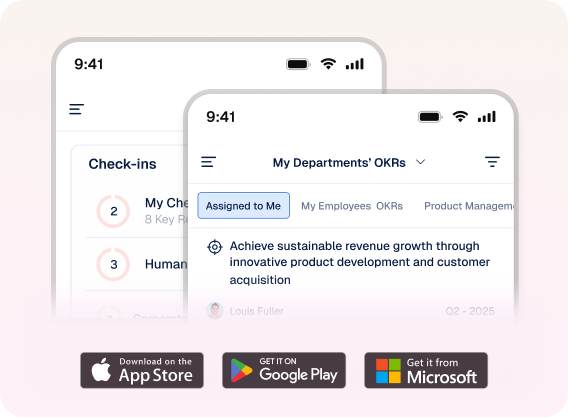
Profit.co’s Employee Engagement module integrates peer and manager recognition directly into goal check-ins, 1:1 meetings, and team dashboards. Employees can recognize colleagues in the context of shared OKRs, and those shout-outs are visible to the whole team through Leaderboards and Awards. Recognition becomes part of how work is tracked and discussed, not a separate activity that competes for time.
Give Your Team a Platform for Meaningful Shout-Outs.
An employee shout-out is a public or semi-public acknowledgment of a colleague’s contribution, behavior, or achievement. It is typically brief and delivered through a team channel, platform, meeting, or company communication. The distinguishing characteristic of an effective shout-out is specificity: it names exactly what the person did and why it mattered, rather than offering generic praise
Use the three-part formula: name the person and the specific action they took, describe the impact that action had, and connect it to a team value or goal if possible. Avoid vague phrases like ‘amazing work’ or ‘crushing it this week’ in favor of concrete descriptions of what actually happened and what it produced. The whole thing can be two or three sentences.
Shout-outs can be delivered in team meetings, company all-hands sessions, dedicated recognition channels in Slack or Microsoft Teams, company intranets, employee recognition platforms, or via email. The best channel depends on the audience you want to reach and the employee’s comfort with public recognition. Some employees prefer private acknowledgment alongside any public mention
More often than most organizations currently deliver them. Gallup research suggests that the ideal recognition frequency for maximum engagement impact is at least once per week, though not every recognition need be a formal shout-out. Building shout-outs into existing team rhythms, like opening or closing a weekly standup with a recognition moment, is one of the most effective ways to increase frequency without adding process
No. Shout-outs are a form of informal recognition and they serve the function of frequent, timely appreciation. Formal programs, like structured awards, milestone recognition, and performance-linked bonuses, serve different functions and remain important. The most effective recognition strategies combine both: formal programs for big moments and informal shout-outs for the everyday contributions that formal programs never capture
Related Articles
-
Recognition Program KPIs: What to Track and How to Use the Data
TL;DR Recognition program KPIs fall into three categories: Participation metrics that tell you whether the program is being used, Sentiment... Read more
-
Work Anniversary Recognition Ideas That Go Beyond the Plaque and Gift Card
TL;DR Work anniversary recognition should feel like it was designed for the person, not generated by the program. The best... Read more
-
The Business Case for Employee Recognition: Numbers That Convince the C-Suite
TL;DR A compelling business case for employee recognition makes three financial arguments: Recognition significantly reduces the cost of voluntary turnover.... Read more
-
50 Employee Appreciation Messages for Every Occasion (Ready to Use)
TL;DR Finding the right words to recognize an employee can be surprisingly difficult, especially when you want the message to... Read more