According to Pablo Sanchez, the regional head of retail banking and wealth management at HSBC, the unsecured personal loan market in the U.S. is increasing by 20% each year. There are millions of consumers who need loans for a variety of reasons including expenses, home improvement, and debt consolidation. By the end of 2020, unsecured… Read more
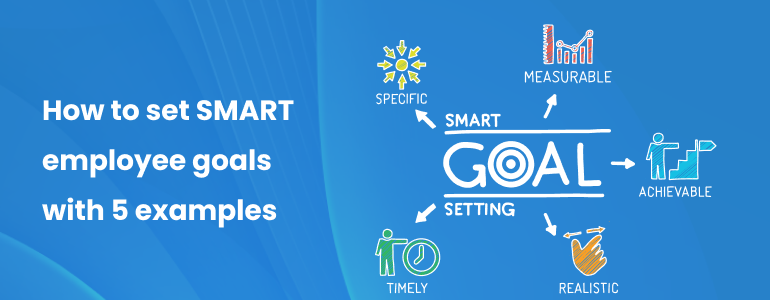
Setting goals is an important practice in any organization. It’s an essential part of the performance management process and is used to achieve business objectives. It helps boost performance, for when you have something to aim for, it helps you prioritize and focus. A goal must answer the who, what, when, where, why, and how… Read more
In order for banks and financial institutions to improve their organizations as a whole, they need to focus on improving their transaction processing and support. Transaction processing is a type of computer processing that indicates the bank needs to immediately respond to a customer’s request. Each request is considered a transaction. A good example of… Read more
Key results are the actionable steps needed to achieve the results that you’d like to see completed in the process of reaching your objective. Key results should be able to be measured or tracked in order to determine progress made towards your objective. In Profit, you’ll find four ways to create key results: Step-by-Step GuideQuick… Read more
When you plan your objectives, it is imperative that you know what your management wants to achieve and align yourself to those goals. You can certainly have your individual OKRs, but some level of alignment or connection is indicative of an execution driven organization. The level of alignment is different for each company and Profit… Read more
You can make your key results dependent on the completion of other key results. For example, you may want to increase your number of clients but depend on the marketing team’s social media outreach in order to do so. Dependencies are visible on your key results page when you select “View” next to your key… Read more
Your objectives in Profit can be organized using a system of tags or labels. Tags can either describe your OKRs using words like “Aspirational” or “Committed”, or you can categorize them based on department with words like “Sales” and “Finance.” Tags can be created in settings by a superuser. Contact a superuser if you’d like… Read more
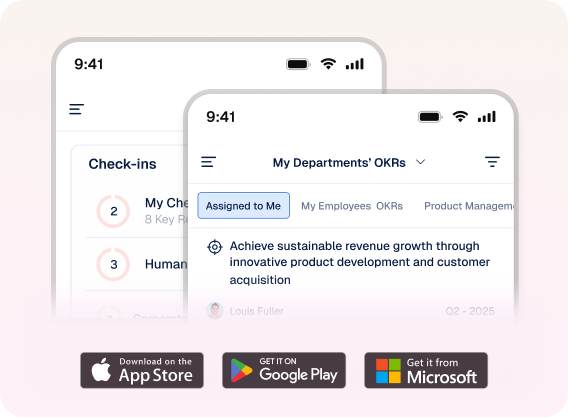
Check-Ins Key result check-ins are an opportunity for you to track your KR completion and indicate your confidence level in achieving your key results. How often you check-in on a key result is dependent on the frequency you set for your key results during the creation process. Many organizations select a frequency of once a… Read more
Task Management How do I create a recurring task? What is the best way to manage high priority tasks for myself and my organization? How do I manage and stay on top of tasks that I’ve assigned to others? Tasks can be added to key results to break them down into manageable assignments and projects…. Read more
OKR Execution You may have created an OKR that you were able to complete before your target date. If you’ve completed most or all of your key results, you can always add more to continue to achieve your objective. To learn how to add a key result, see the “How do I create key results”… Read more
Awards and Leaderboard How do I award my peers? How do I view awards given by my team members? How do I view awards given by me? How do I view awards that I’ve received? Profit’s awards system allows you to view both the awards that you have received and the awards that others in… Read more
OKR Score Profit has a customizable scoring system for all users that evaluates their performance in four areas: reporting promptness, individual achievement, team achievement, and alignments. To view your Profit score, navigate to your “All my OKRs” page. Your score is represented in a bar at the top of the page. Superusers can customize the… Read more