Imagine navigating the ocean with a faulty compass. That’s what many organizations are facing today. A staggering 58% admit their performance management systems need to be improved to monitor the success of their strategy.
Plans made months ago can quickly become obsolete as circumstances shift in today’s business environment. With a reliable system to track progress and identify deviations, organizations can avoid executing the wrong strategy for extended periods, jeopardizing their success.
By holding employees accountable for key goals and regularly reviewing the strategic plan, organizations can identify the root cause of underperformance – a bad market assessment, a flawed strategy, or poor execution.
This blog post analyses the 5 pillars of successful performance management, acting as your compass and guiding you toward strategic clarity and, ultimately, organizational success. A robust system allows you to adapt your course quickly, navigate market fluctuations, and achieve your strategic goals.
Why do some teams seem to hit their targets effortlessly? In contrast, others struggle just to get off the starting block. Well, it’s not magic. It’s all about having a solid performance management strategy in place.

5 pillars of successful performance management
1. Goal Alignment
Effective performance management starts with aligning individual and team goals with the organization’s strategic objectives. This creates a clear line of sight, ensuring everyone understands how their work contributes to the bigger picture.
Imagine a marketing team at a software company. Their overall strategic objective might be to increase user acquisition by 20% in a year.
Individual and team goals within this framework could include:
- Develop and launch a targeted social media campaign to reach a new audience segment.
- Increase website conversion rates by optimizing landing pages.
- Improve blog content quality to attract organic traffic.
By establishing these aligned goals, the marketing team understands how their specific efforts contribute to increasing user acquisition.

“When we make progress and get better at something, it is inherently motivating. In order for people to make progress, they have to get feedback and information on how they’re doing.”
Modern tools such as OKR (Objectives and Key Results) software can streamline the goal alignment process. These platforms allow for transparent communication of objectives throughout the organization, facilitating a sense of ownership and accountability.
Performance management practices should be aligned with the organization’s culture to be effective. This ensures the system resonates with employees and fosters a sense of ownership.
Integrating OKRs & Goals to Optimize Assessment Process with a comprehensive goal management Platform like Profit.co

2. Future Planning
Showing employees a clear path for career advancement within the company fosters motivation and guides their development efforts. This might involve creating internal job postings, mentoring programs, or leadership development opportunities.
A high-performing customer service representative might aspire to become a team lead. Their performance management plan could include goals related to coaching new hires, taking on leadership roles within projects, and attending leadership training workshops.
Investing in employee development and growth isn’t just about individual careers, it also supports organizational goals. By fostering a culture of continuous learning and development, organizations ensure they have a pipeline of qualified talent prepared to step into leadership positions when needed.
Boost your workforce’s potential with Profit.co’s Succession and Development Plans by identifying and driving exceptional employee’s growth and performance.

3. Performance Measurement
Effective performance evaluation goes beyond just numbers. Quantitative metrics like sales figures or project completion rates are valuable data points. However, qualitative peer feedback or self-evaluation assessments can provide a more complete picture of an employee’s performance.
A salesperson might consistently exceed their sales quota. However, qualitative feedback from colleagues could reveal a need for improvement in customer relationship management skills. This holistic assessment ensures development plans address both strengths and weaknesses
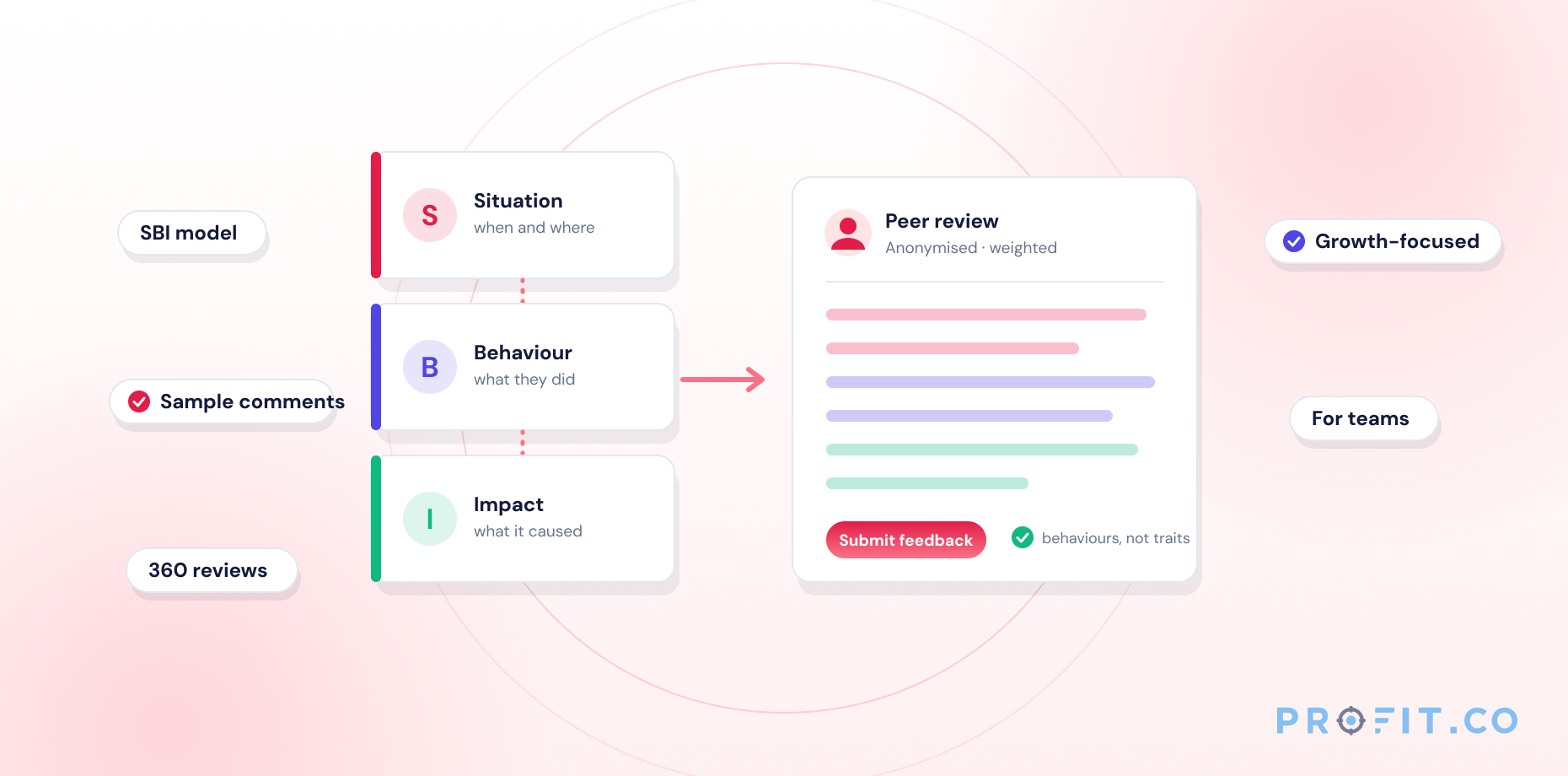
Bias in performance evaluation can create an unfair and demoralizing experience. Strategies to mitigate bias include implementing standardized evaluation tools and involving multiple evaluators. Clear guidelines and training on conducting unbiased performance reviews can help alleviate potential biases.
Designing and implementing a performance management system involves legal and ethical considerations. These include ensuring compliance with labor laws and maintaining employee privacy. Consulting with legal and HR professionals during the development process is crucial.
Profit.co’s Performance Management Software promotes transparency by providing real-time visibility into goals, progress, and metrics, fostering an unbiased review process, and cultivating an accountable organizational culture.

4. Recognition and Rewards
Public acknowledgment, additional responsibilities, or opportunities to mentor others can be powerful motivators. Recognizing achievements beyond financial rewards shows appreciation for an employee’s contributions and fosters a positive work environment.
A Software developer could be recognized for their innovative approach to problem-solving by having their work showcased in a company-wide meeting. This non-monetary recognition can be just as motivating as a financial reward.
Effectively linking rewards to performance motivates employees to strive for excellence. However, ensuring a fair and balanced system is crucial to avoid creating a competitive or toxic work environment. This might involve a combination of base salary adjustments, bonuses tied to achieving specific goals, or recognition programs with multiple tiers of rewards.
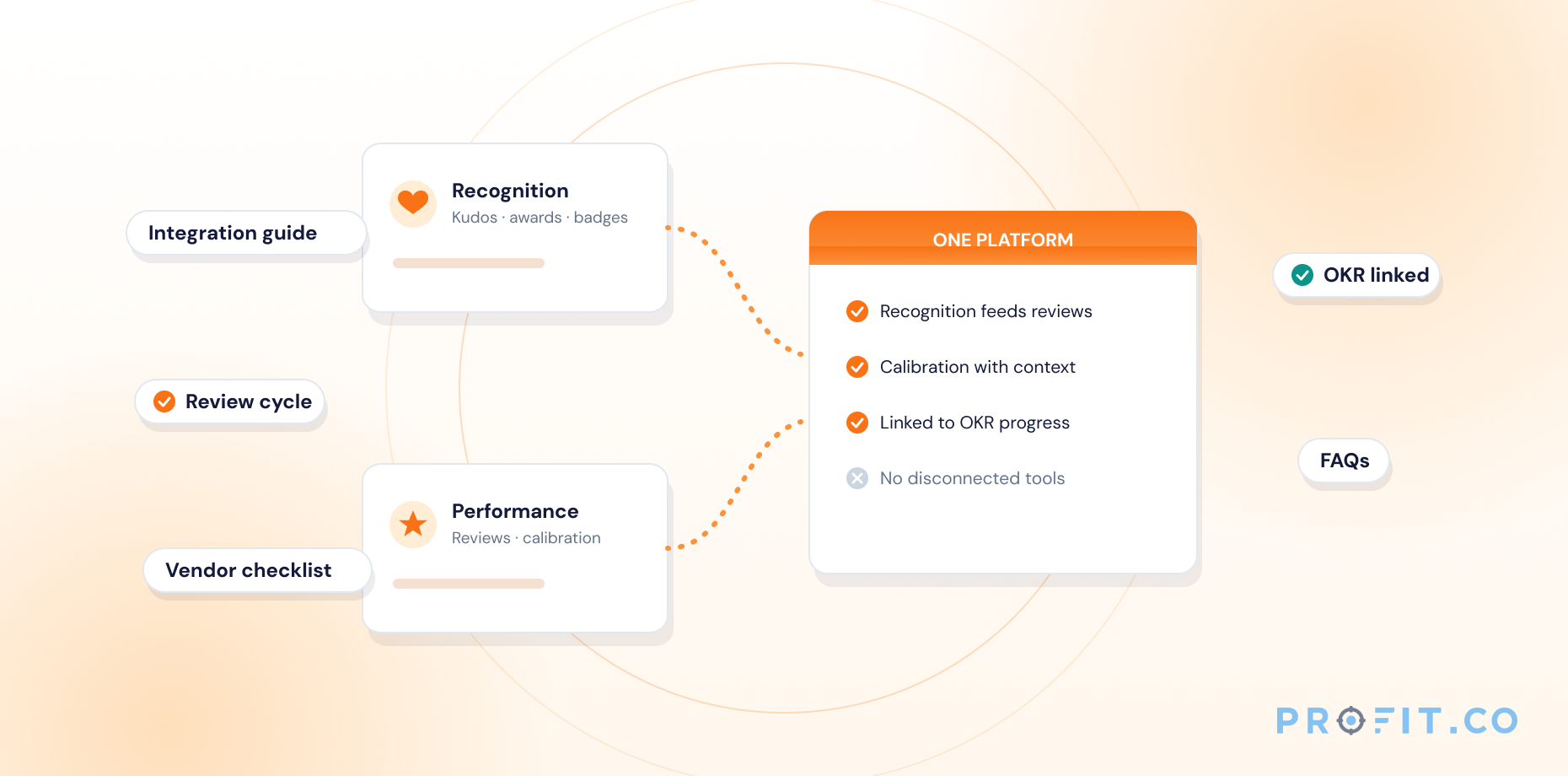
Appreciate your team’s talents with awards, encouraging a positive culture by recognizing accomplishments with Profit.co’s recognition software. When your employees are awarded in the context of their accomplishments, the positivity becomes contagious.

5. Communication
Open dialogue is essential for resolving performance-related conflicts constructively. Regular communication allows for early identification of issues and facilitates finding solutions that benefit both the employee and the organization.
Technology platforms like instant messaging, collaboration tools, and performance management software can facilitate continuous communication and feedback loops. These tools encourage ongoing conversations about performance goals, progress updates, and development needs.
The performance management system must be flexible and adaptable to changing organizational needs and external environments. Regularly reviewing and revising the system is important to ensure it remains relevant and effective.
Profit.co software allows you to engage with your employees and communicate better by scheduling 1:1 meetings and inspiring them to work better.

By focusing on these five pillars, organizations can build a performance management system that fosters a culture of continuous improvement, motivates employees, and ultimately drives organizational success.
Final Thoughts
In essence, these pillars do more than support a performance management system; they transform it into a dynamic, responsive compass capable of guiding your organization through the unpredictable seas of today’s business world. By focusing on alignment, development, measurement, recognition, and communication, your organization doesn’t just move forward; it charts a course for strategic and sustainable success.