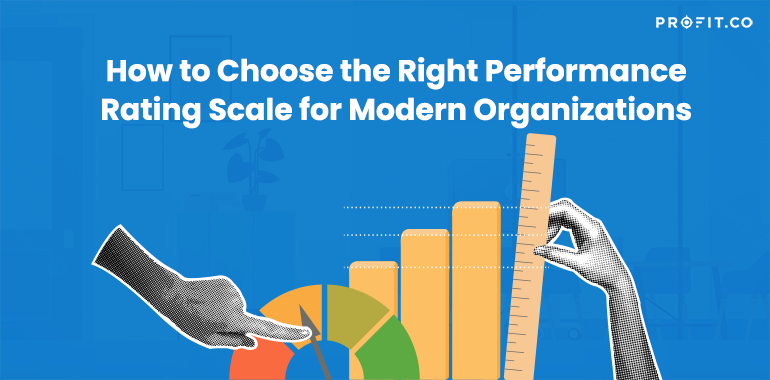
Performance reviews are often like a trip to the dentist. Necessary, but uncomfortable. If you’re still using a 1–5 scale for reviews, it might be time to get your tools updated. It’s not that the 1–5 scale is inherently bad. It’s just… safe. Familiar. Comfortable. But comfort, as we know, doesn’t always lead to growth.
When it comes to performance ratings, most companies don’t have a “bad people” problem. They have a bad system problem.
Let’s talk about why your choice of rating scale matters more than you think and how a simple switch can lead to better decisions, faster development, and stronger teams.
1–5, 1–4, 1–3: What’s the Difference?
You’d think numbers are neutral. But they’re not. Numbers tell a story and the story you tell shapes behavior.
1–5 Scale:
Pros: Familiar. Most people grew up with it (think: school grades).
Cons: Everyone camps out in the middle (hello, 3’s). Hard to tell good from great.
1–3 Scale:
Pros: Forces quick decisions.
Cons: Too little nuance. A single step from “meh” to “awesome” feels rushed.
1–4 Scale:
Pros: Sweet spot. No middle number to hide behind.
Cons: It is new for many people and takes a little training.
And that last one? The 1–4 scale?
That’s the future.
The Psychology Behind Rating Scales: Why 1–5 Fails
Human brains love to avoid conflict. That’s why, when managers rate employees on a 1–5 scale, something strange happens:
They avoid the extremes (1 or 5) and cluster around the middle (3).
Behavioral scientists call this central tendency bias.
It’s the brain’s way of staying safe. No strong opinions = no risk = no uncomfortable conversations.
The downside?
You lose clarity. High performers don’t get recognized. Struggling employees don’t get help.
You create a workplace where “good enough” is good enough and nobody grows.
Why 1–4 Works Better
People like the middle. It’s safe. It says, “I don’t want to upset anyone.”
But here’s the problem:
If everybody’s a 3 out of 5, your high performers don’t stand out. And your low performers stay hidden.
A 1–4 scale removes the safe middle. You have to choose.
Either someone’s meeting expectations or they’re not. Either they’re good or they’re great.It’s a small friction point just enough to nudge managers toward more deliberate, thoughtful decisions. And that’s where real performance conversations begin.
You were born to win, but to be a winner, you must plan to win, prepare to win, and expect to win.

What to Call Each Rating
Words trigger behavior. This isn’t just a theory it’s a psychological truth. Research shows that language activates specific parts of the brain that influence how we act. When we use a label like “Unsatisfactory”, the brain immediately processes it as a cue for improvement and support. Contrast that with “Excellent”, which signals recognition and reward. The labels you choose don’t just describe performance they shape the next step, the next action, and the next outcome. So when you pick a word, you’re not just giving feedback; you’re laying the groundwork for behavior change.
Here’s how you can make it actionable:| Score | Label | Performance Description | Trigger for Action |
|---|---|---|---|
| 1 | Unsatisfactory | Most targets are missed. | Immediate support needed |
| 2 | Developing | Some targets were achieved, but many missed. | Clear improvement areas |
| 3 | Good | Most targets achieved; some slips or misses. | Recognize strengths, coach on gaps |
| 4 | Excellent | All targets were achieved and some overachieved. | Reward and model for others |
A Quick Tip: Words like “Unsatisfactory” and “Excellent” are not just descriptive; they’re action cues. They tell managers exactly what’s needed next whether it’s support, coaching, recognition, or reward.
Streamline your performance reviews with our intuitive platform.
How to Train Managers (Without Boring Them)
Rolling out a new rating scale? Don’t just send out an email and cross your fingers. Managers need practice. It’s like learning to ride a bike you can’t just talk about it; you’ve got to do it.
Here’s a roadmap that won’t put them to sleep:
1. Workshops, not lectures: Ditch the PowerPoint. Give them real-life examples and let them score together. Make it interactive.
2. Score fake employees first: This is way more fun. Arguing over how to rate a made-up person is easier and way less stressful. Plus, you’ll get some laughs in the process. Try this: “Let’s rate John, a marketing manager who consistently misses deadlines but has great ideas. How do we rate him?”
3. Use calibration sessions: Once everyone’s done scoring, compare notes. Talk about why some ratings are higher and some lower. This helps keep things fair and consistent.
4. Celebrate tough calls: Managers who refuse to rate everyone as “Good” just to avoid conflict should be your heroes. Praise them for making the tough calls it helps set the tone for the whole team. Show them that real feedback is valuable, not just conflict avoidance.
If you can get your managers comfortable with the uncomfortable, your whole system will work better.
Final Thought
The goal of a performance review isn’t to coddle people. It’s about being honest but kind. You’re showing them a mirror, and it should be clear, not foggy. Choosing a 1–4 scale isn’t just about numbers.
It’s about making it easier for everyone both managers and employees to improve faster. And that’s the real win.