


As organizations evolve in their approaches to performance management and goal-setting, one key element often overlooked is the role of trust and credibility. It’s about more than simply achieving targets; it’s about building a culture where employees feel confident in their managers and empowered to speak up, share ideas, and actively participate in shaping goals.
Dianne Veley, Global Human Resources Manager at Siemon, and Pamela Funk, VP of Human Resources at Herculite, provide compelling insights on fostering this environment. Their approaches reinforce how trust isn’t just an option but a driving force behind employee motivation, organizational success, and enduring credibility.
Top-Down Meets Bottom-Up: Striking the Right Balance in Goal-Setting
Veley and Funk recognize that while many companies set objectives and key results (OKRs) from the top, the best outcomes come from inviting employee input. This blend of top-down direction and bottom-up feedback creates a sense of ownership, empowering employees to shape the very goals they are working toward.
For Veley and Siemon, OKRs flow primarily from top leadership, but employees are encouraged to voice concerns or suggest alternative ways to reach those goals. “We aim to build trust so employees feel empowered to question or offer input if they believe there’s a better way to approach a goal,” Veley explains. This approach reframes goal-setting from a one-way directive to a collaborative conversation, where employees’ ideas have real value.
Funk’s approach has a different twist at Herculite. Here, broad strategic objectives at the top leave ample room for flexibility as they cascade down. Funk’s team also uses “Gemba boards,” where employees can suggest ideas and propose goals contributing to these overarching strategies. “Many of our goals are created from the ground up. These ideas often fit into our overarching strategy, providing a practical, tangible approach to achieving high-level objectives,” Funk notes. This approach ensures that employee contributions are integral to the company’s direction and make goal achievement more meaningful.
Ready to build trust and empower your team?
The Role of Psychological Safety in Trust-Building
Trust-building starts with psychological safety – creating a work environment where employees feel comfortable speaking up without fear of backlash. When employees know their feedback is valued, they are more likely to engage fully and invest in the organization’s success. Both The Siemon Company and Herculite Products prioritize this kind of safety, making open communication and constructive feedback a central part of their cultures.
Funk describes Herculite’s training initiatives, which emphasize listening and feedback, helping managers create an inclusive environment. This fosters a positive feedback loop, strengthening the organization’s adaptability and resilience. Veley encourages open discussions at The Siemon Company, where employees are welcome to question or discuss the practicality of goals with their managers. By taking employees’ perspectives seriously, both companies demonstrate that they value these contributions as essential to organizational growth.
The most important single ingredient in the formula of success is knowing how to get along with people.

Industry Insights: A Tale of Two Companies – Toyota and Boeing
To truly understand the impact of trust on organizational success, it’s helpful to consider examples from other well-known companies. Toyota’s production model, for instance, empowers employees to stop the assembly line if they detect a quality issue. This level of autonomy demonstrates Toyota’s commitment to reliability and underscores the value of a work culture where feedback is encouraged, not stifled. Toyota’s approach not only boosts employee morale but also builds brand loyalty and customer trust.
In contrast, Boeing’s recent troubles show the risks of a culture where feedback is ignored or even suppressed. Multiple reports indicate that employees raised safety concerns that were either dismissed or not acted upon, which has led to significant financial and reputational damage for Boeing. The lesson is clear: ignoring employee input can lead to lasting consequences that ripple through an organization for years.
Conclusion: A Case for Trust and Credibility in Goal-Setting
Both Siemon and Herculite have implemented systems prioritizing trust and open communication, recognizing these as transformative elements in effective goal-setting. By making employee feedback a valued part of the process, these organizations have successfully cultivated a culture where goals become collective commitments, driving higher engagement and alignment with the company’s broader mission.
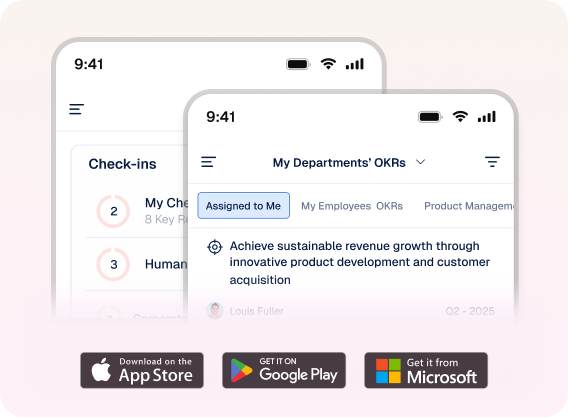
To support these objectives, both companies have successfully adopted Profit.co as their platform for OKR (Objectives and Key Results) and Performance Management System (PMS). This tool has reinforced their culture of trust, engagement, and alignment by providing a structured, transparent framework for setting, tracking, and reviewing goals. Profit.co enables Siemon and Herculite to implement OKRs as both a strategic and tactical approach, seamlessly integrating top-down directives with bottom-up contributions.
By leveraging Profit.co’s OKR and PMS tools, both organizations have found success in embedding trust, credibility, and alignment directly into their goal-setting processes. The platform’s continuous feedback loops and adaptable structure support a resilient, empowered workforce, positioning these companies to thrive in today’s dynamic business environment, just as Veley and Funk had envisioned.


